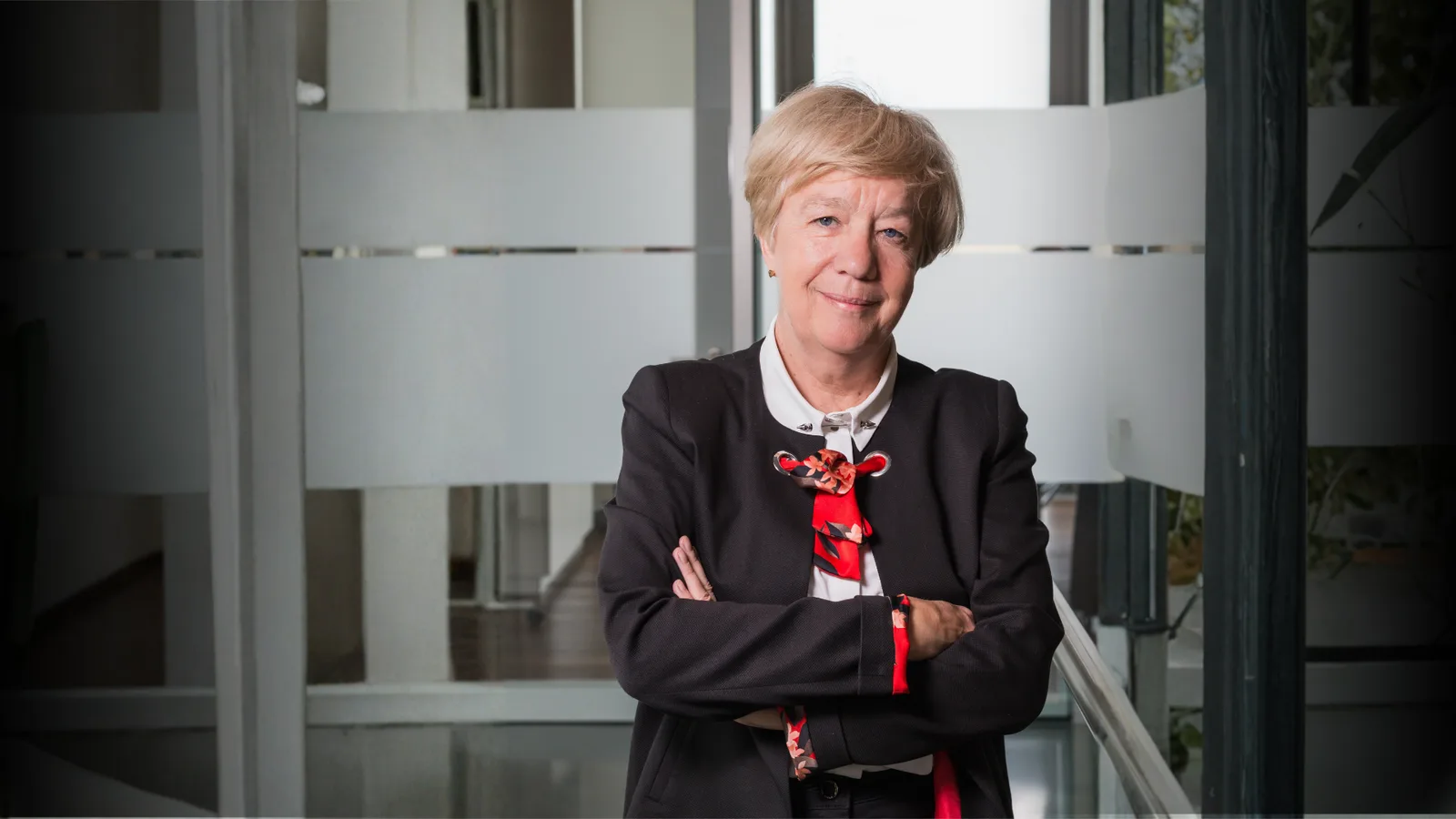
Catherine Larue has spent a career standing in the gap between two worlds that rarely speak the same language. On one side sit the academic laboratories where medical discoveries are born, and on the other the companies that turn those discoveries into products patients can actually use. Bridging that divide has become her mission, and it is the idea behind CoDx, the biotechnology consultancy she founded after years running one of Luxembourg's most important research institutions.
Her conviction is blunt. Such gateways between industry and academia are missing, and I believe in building them, she says. Through CoDx she now helps foundations, research institutes, and small and medium companies make the hard journey from a promising idea to a finished product, a passage where many good concepts stall for want of money, know how, or a partner who understands both the science and the market.
From the pharmaceutical lab to the biobank
Larue came to that role through an unusual mix of training. She holds a doctorate in immunology and an executive MBA, a combination of deep science and business discipline that few people carry at once. She spent years in the pharmaceutical industry, and for more than six of them she led the Integrated BioBank of Luxembourg, known as IBBL, an institution built to collect and manage the biological samples and data that modern medical research depends on.
The experience that seems to have shaped her most came early, when she worked on the discovery of a new blood biomarker meant to speed the diagnosis of heart attacks. The project fought against tight budgets and took seven years to reach the market, but once it did it changed the way heart attacks are managed around the world, an impact she says persists to this day. It was a lesson in patience, and in how long the road from bench to bedside can be.