Germany, for years the most reluctant of the big European Union economies to confront Beijing, has signaled that it is ready to support tougher trade measures against China. The change of posture matters because Berlin had previously refused to line up with the bloc's hardliners, preferring to deepen industrial ties with a country that is both a huge market and a fierce competitor. Mounting pressure on German factories appears to have pushed the government toward the camp led by France, which has pressed for a firmer line.
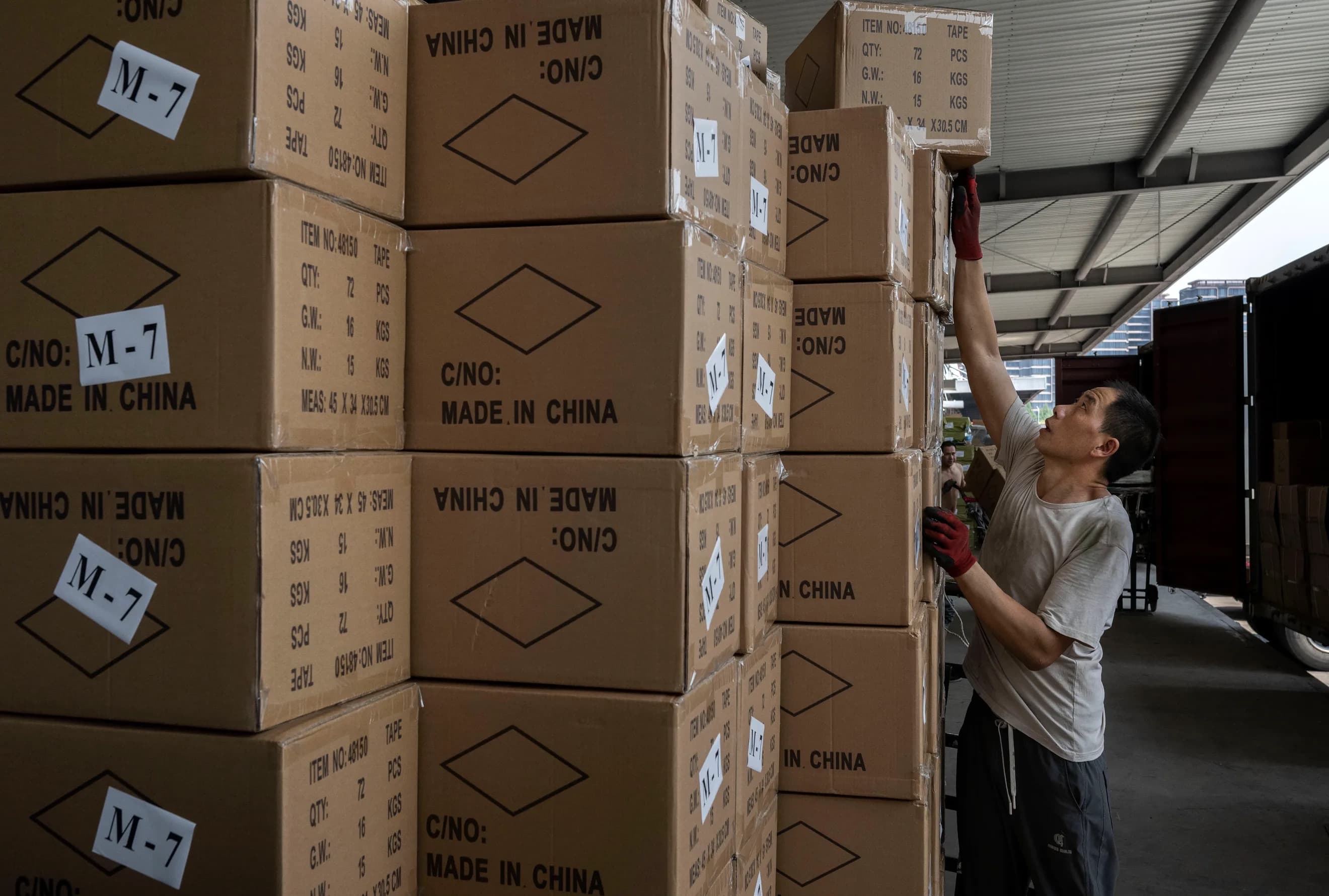
The backdrop is a trade relationship that has grown badly lopsided. The European Union's goods deficit with China has swelled toward 360 billion euros, and the bloc's officials have begun discussing a sweeping overhaul of their trade defenses. Under consideration are wider use of import quotas, tariffs, and safeguard measures spanning chemicals, metals, and clean technology, the industries where a flood of low priced Chinese exports has stoked fears of a second China shock capable of hollowing out European manufacturing.
Germany's hesitation was never hard to understand. As the export engine of the continent, it has the most to lose if a trade fight escalates, and its carmakers and machinery producers rely heavily on Chinese demand. Berlin has openly worried that aggressive tariffs could invite retaliation from Beijing that would fall on German exporters more heavily than on anyone else. That fear is precisely why the government resisted for so long, and why its move toward supporting tariffs signals just how sharply the calculation has changed as Chinese electric vehicles, solar panels, and industrial goods undercut domestic rivals at home.
A united front between France and Germany would give the European Commission far more room to act, and could make possible measures that seemed politically out of reach only a year ago. The gamble is real, since China remains an essential market and supplier, and any escalation risks higher costs and countermeasures that ripple through European industry. Even so, Germany's shift reads as a turning point in the way Europe thinks about its economy, an admission that the long standing bet on open trade with China no longer feels like a safe one.