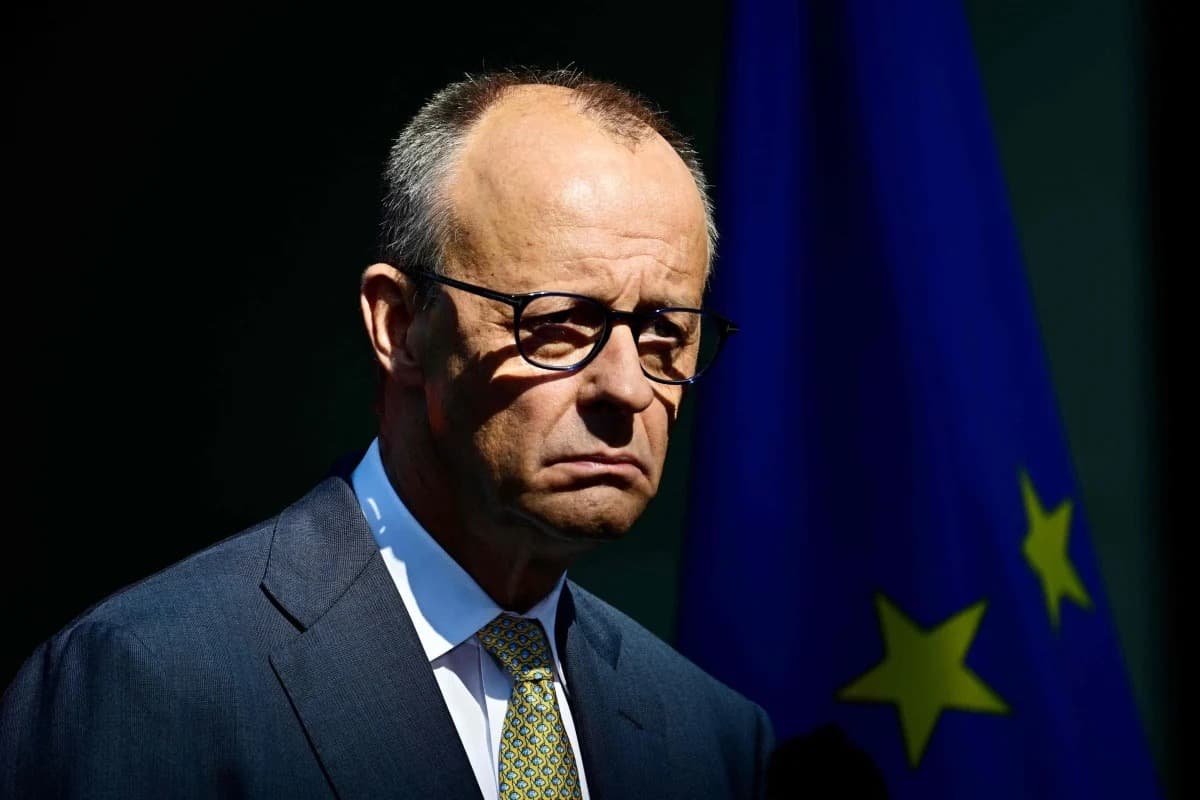
Germany's government has pledged to defend the country's trade and protect its companies from unfair competition, a commitment widely read as a tougher stance toward China. Unveiled on 3 July as part of a 34 point package to revive the economy, the promise marks a striking shift for a nation that has long served as the European Union's brake on aggressive action against Beijing. For years Berlin urged restraint, wary of jeopardizing the vast Chinese market its exporters depend on, which is what makes the change in tone so significant.
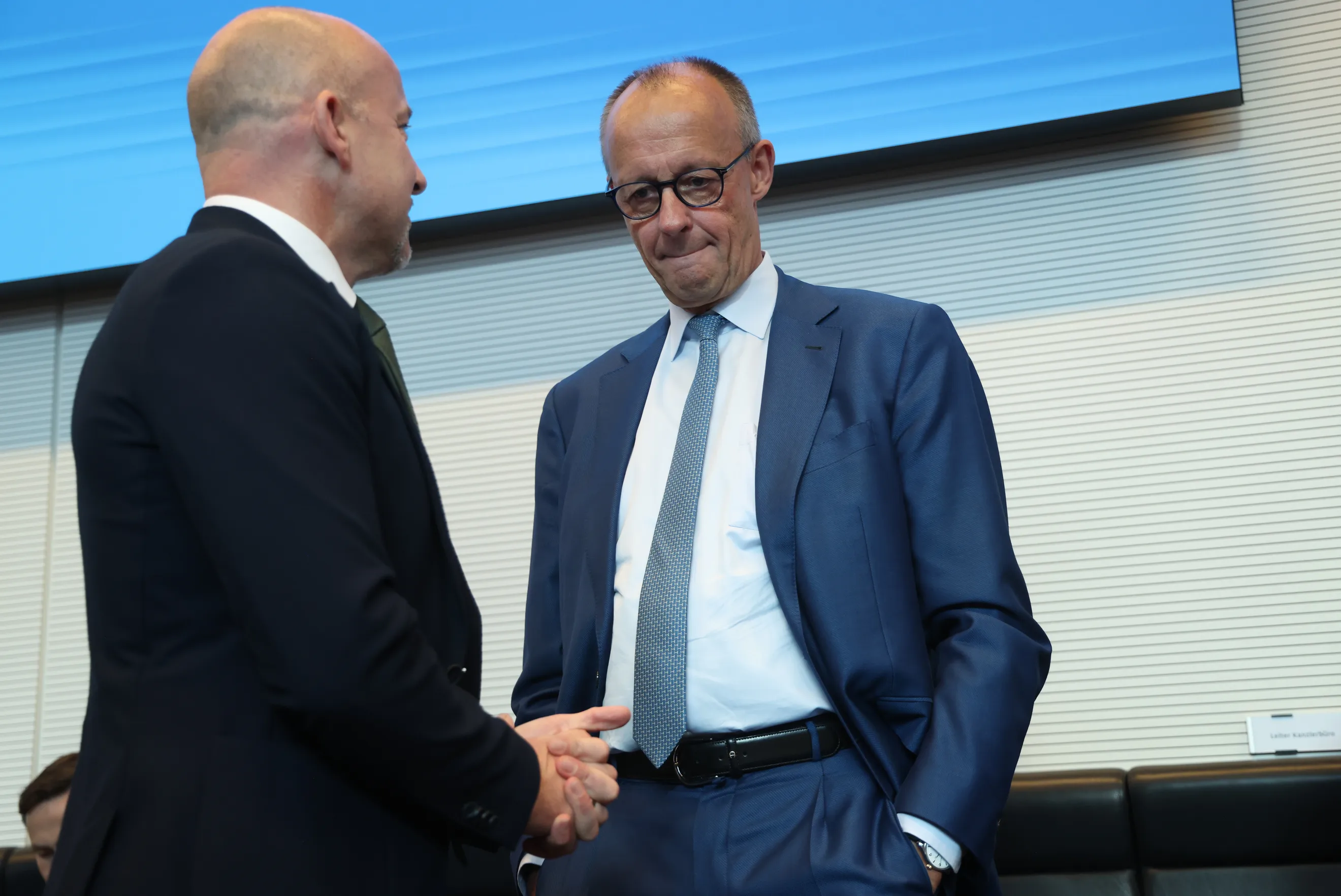
The message came straight from the top. Chancellor Friedrich Merz said Germany did not want trade imbalances of the current magnitude to arise or grow any further, a plain statement of intent from a leader whose country runs one of the world's largest export machines. Finance Minister Lars Klingbeil signaled that the government would take a firmer line toward Beijing and stand behind firms exposed to unfair practices. Independent observers were struck by the clarity. Juergen Matthes of the German Economic Institute described it as a substantial change in the German position, one he had not expected to see stated so openly.