LinkedIn is confronting a wave of artificial intelligence generated posts head on, and the numbers suggest members are eager to push back. Since the company introduced a feedback option letting users flag content that seems like AI slop in late July, more than a million people have clicked it.
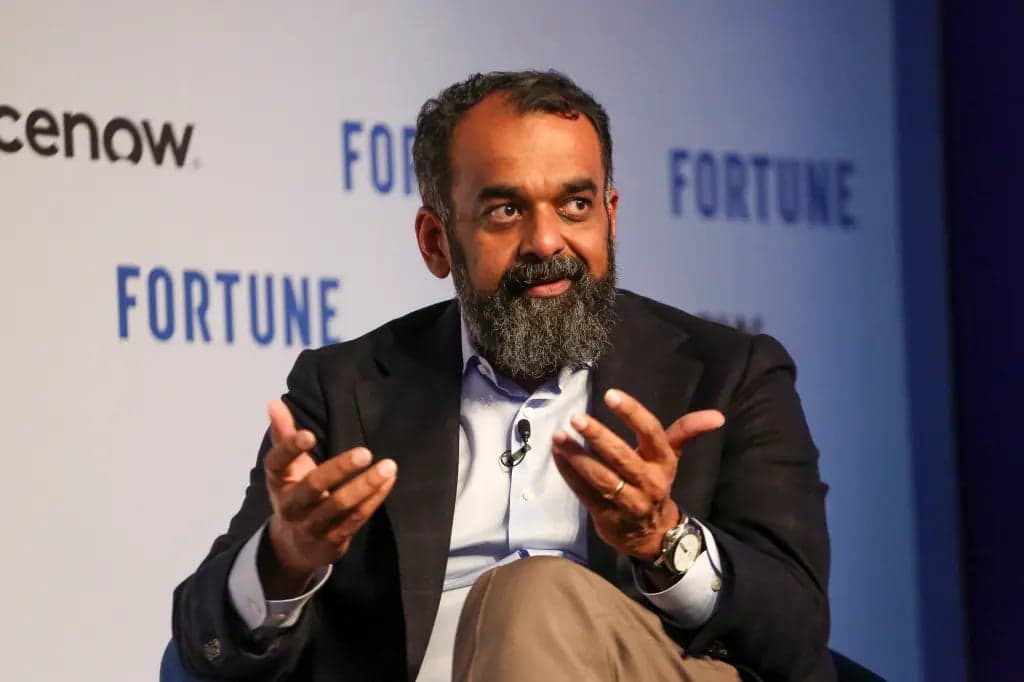
The feature, described by LinkedIn's chief product officer Hari Srinivasan, allows members to mark posts they believe were generated or heavily assisted by artificial intelligence rather than written by a real person. In the weeks since it rolled out, the platform says posts tagged this way are now receiving roughly 40 percent fewer views than similar content did before the tool existed.
Pushing Back Against a Flood of Synthetic Content
The rapid uptake reflects a broader anxiety spreading across social platforms sometimes referred to as dead internet theory, the idea that an increasing share of online content and even engagement is generated by bots and automated systems rather than real people. On a professional network built around authentic career updates and networking, a surge of formulaic AI written posts has frustrated many longtime users who say their feeds increasingly feel synthetic.