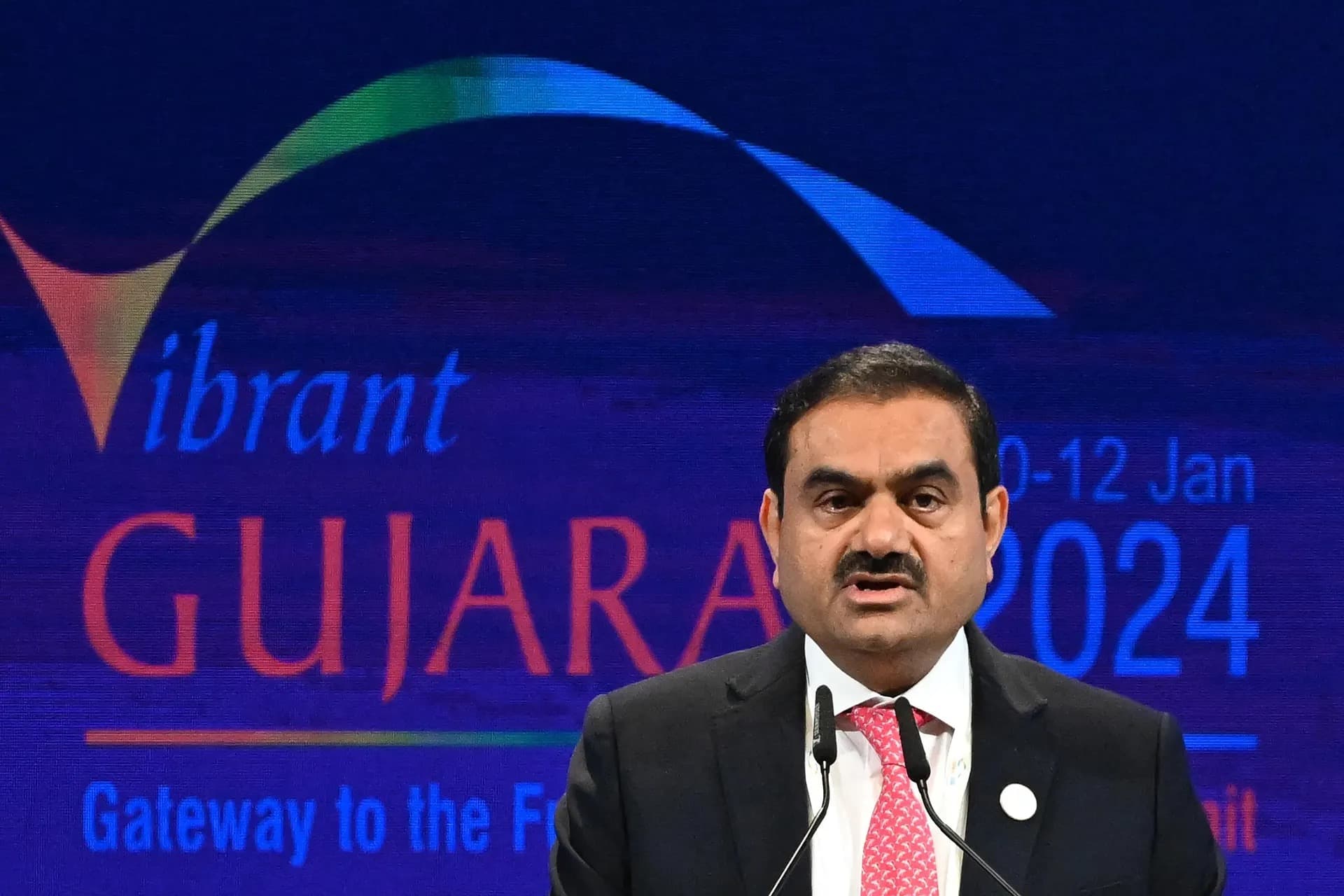
Gautam Adani has rarely thought small, and his latest move fits the pattern. Adani Enterprises, the flagship of his sprawling industrial group, has agreed to build one of India's largest aluminum complexes in a partnership with International Holding Co., the Abu Dhabi investment giant known as IHC. The two will split the venture evenly and commit roughly 1.08 trillion rupees, about 11.3 billion dollars, across two phases. It is a bet on metal, on India's industrial future, and on the old idea that the safest way to grow is to own every step of the supply chain.
The site is Odisha on India's eastern coast, and the choice is not sentimental. The state sits on the bauxite reserves that feed a majority of the country's aluminum output, which lets the partners build close to the raw material rather than ship it across a continent. The plan is for a fully integrated operation, with annual targets near 4 million tons of alumina, 2 million tons of aluminum, and 1 million tons of higher value products. Adani has said the project could support tens of thousands of jobs, a figure the company puts around 53,500, and that scale is central to the pitch made to a government eager for domestic manufacturing.
The timing tracks a shift in what aluminum is for. The metal is light, conductive, and endlessly recyclable, which makes it a workhorse of electric vehicles, power grids, solar hardware, and modern packaging. As countries electrify, demand for the metal climbs, and India has leaned heavily on imports to meet it. Building capacity at home turns a vulnerability into leverage. For IHC, the appeal is the patience that sovereign linked capital can afford. The firm has poured more than 2 billion dollars into Adani businesses since 2022, and this venture deepens a relationship that treats Indian industry as a long horizon asset rather than a quick trade.
Read together, the deal says something about how heavy industry now gets financed. A founder with the appetite to build and a Gulf investor with the capital to wait are pairing on an asset that will take years to reach full output and decades to repay. Karan Adani, who runs much of the group's operations, framed the venture as an integrated ecosystem meant to create jobs and expand value added manufacturing, language aimed squarely at India's ambitions. Adani himself, worth roughly 90.5 billion dollars, has staked his group on the kind of infrastructure a country needs for a generation. Whether the price proves rich or shrewd, the direction is clear enough. The next phase of India's growth will be built, quite literally, out of metal.