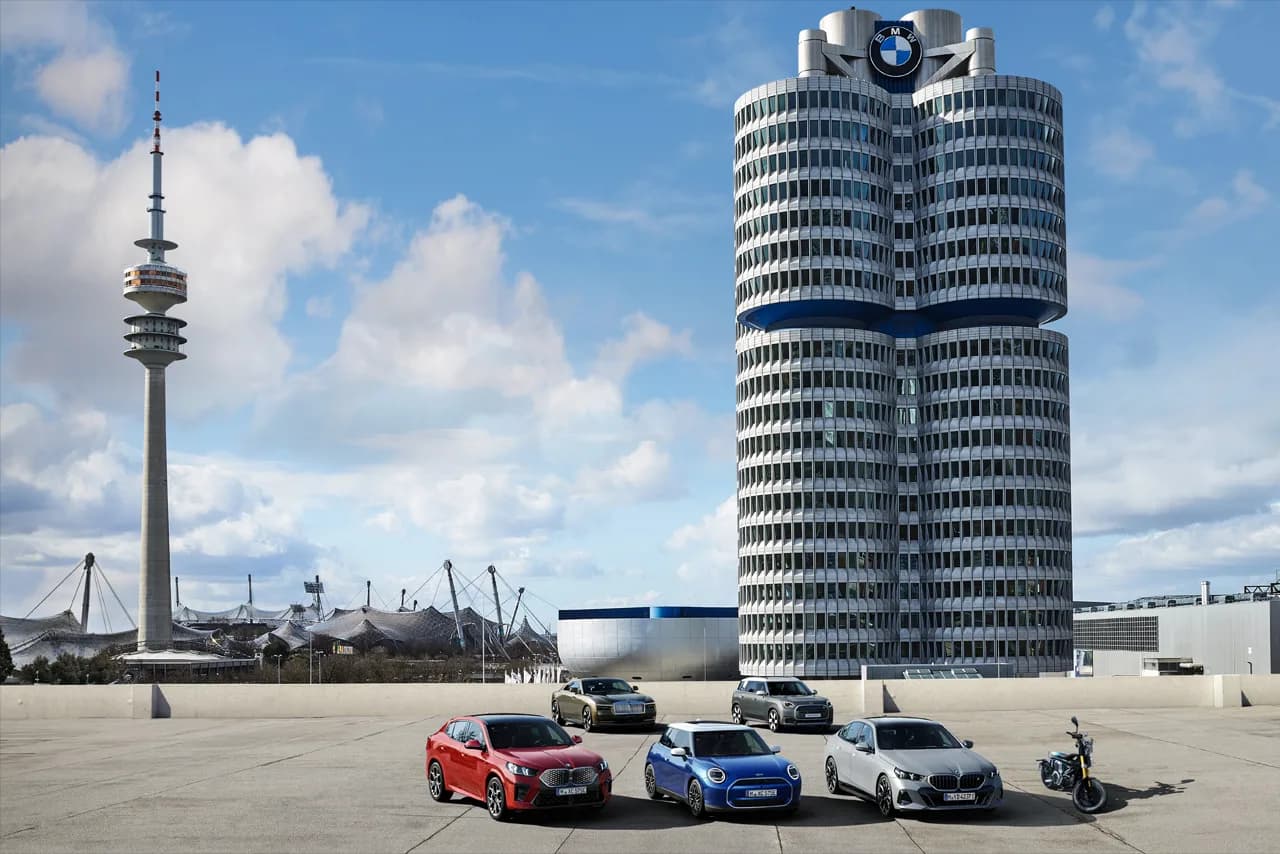
BMW has become the latest German carmaker to reach for the payroll as a way to defend its profits, telling staff on July 29 that it plans to shrink its workforce by roughly 8,000 people through a voluntary buyout. The move, which the company calls the largest programme of its kind in its history, lands just a day after rival Mercedes-Benz used its own results to demand a productivity push at home, and it deepens the sense that Germany's proudest industry is in retreat.
The cuts will fall on office jobs rather than the factory floor. BMW and its works council have agreed to target administrative and development roles while leaving production untouched, and the company has ruled out any compulsory layoffs. Workers who choose to leave will be offered severance tied to their pay and years of service, a gentler approach than the forced reductions some of its peers are weighing.
Where the jobs will go
The reductions are concentrated in Germany, and in particular at BMW's cluster of sites in Munich, Regensburg, Dingolfing, and Leipzig, the towns where much of its engineering and administration is based. Against a global headcount of 154,540 at the end of 2025, a loss of about 8,000 posts represents a meaningful trim, though the company is betting it can achieve it without the bruising standoffs that come with mandatory cuts.
The timing is set. The programme is due to open in October 2026 and run through the end of 2027, and BMW expects it to cost hundreds of millions of euros in severance up front. The payoff, in the company's math, arrives afterward, with annual savings of around 1 billion euros from 2028 onward once the smaller structure is in place.
A whole industry under strain
BMW is not moving in isolation. In June it lowered its profit outlook for 2026, pointing to soft demand in China and the fallout from conflict in the Middle East, and the buyout is the operational response to that weaker forecast. The pressures are familiar across the sector, a costly shift to electric vehicles, aggressive Chinese competitors offering cheaper and more software driven cars, and tariffs that raise the price of selling into the United States.
Its neighbors are cutting deeper in some cases. Mercedes-Benz has its own voluntary redundancy scheme running, Porsche is trimming around 5,000 roles by 2035 on top of thousands of earlier reductions, and at Volkswagen the chief executive has been pushing to roughly double a planned reduction toward 100,000 positions across the group. Taken together, the announcements amount to a slow motion downsizing of the German car business.
For BMW, the calculation is that a voluntary exit now buys room to invest later, protecting the money it makes per vehicle while it navigates the transition to electric power and the loss of ground in China. Whether trimming the back office is enough to restore the edge that made German engineering a byword for reliability, or merely the first of several rounds, is the question hanging over Munich as the cuts begin this autumn.