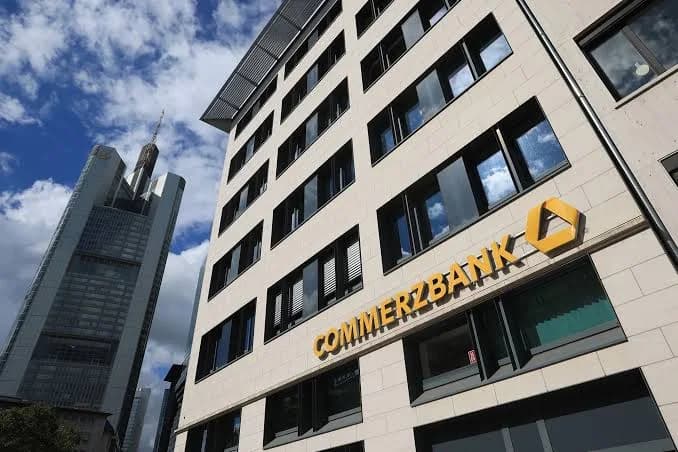
Commerzbank has signaled that it is finally ready to talk. After nearly two years of fending off UniCredit, the German lender told its own staff that it will sit down with the Italian bank to discuss a possible combination, a shift that could reshape the map of European finance if it leads anywhere. The change of tone was reported by Handelsblatt on July 31 and quickly confirmed in spirit by Commerzbank's leadership.
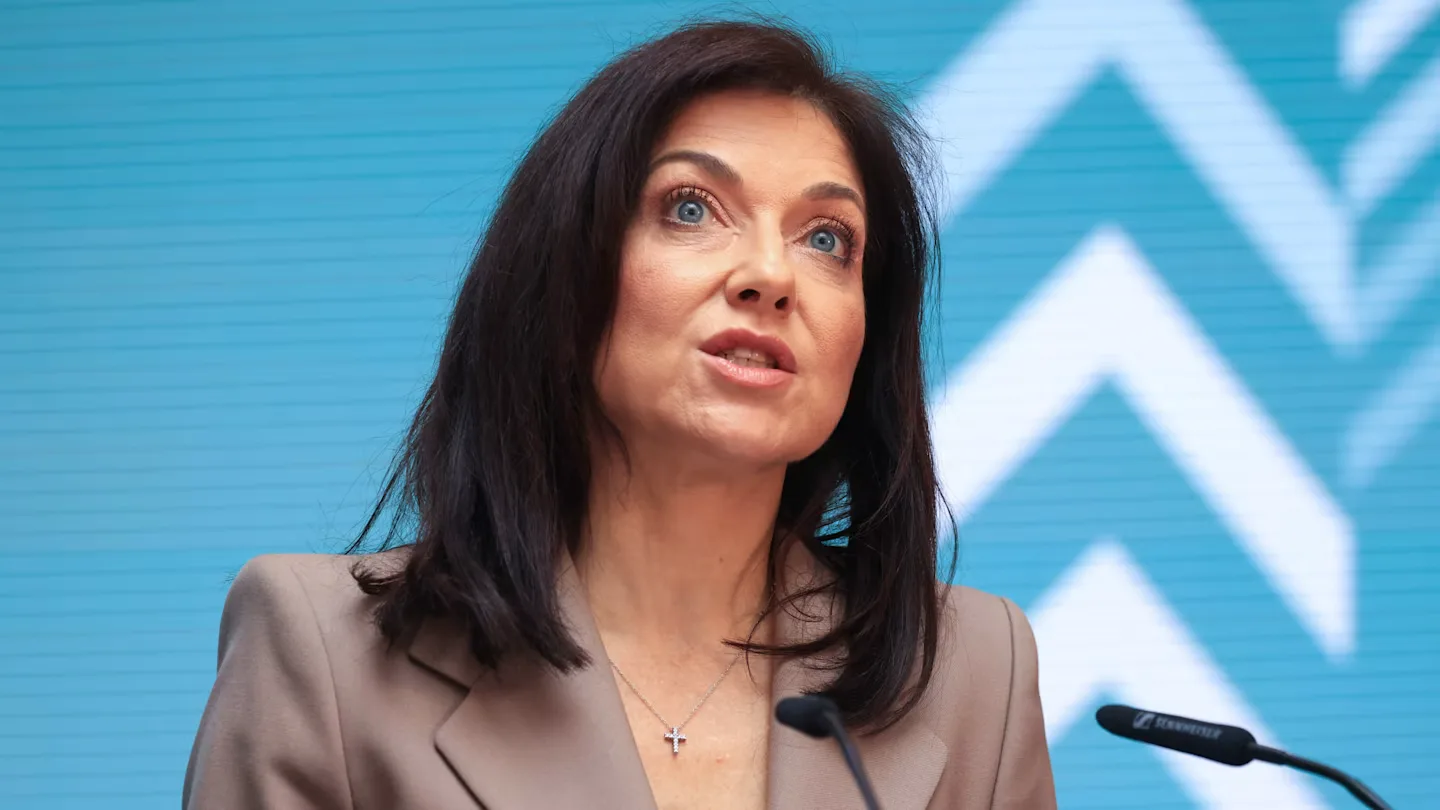
Bettina Orlopp, the chief executive of Commerzbank, framed the move to employees as a measured process rather than a surrender. Over the coming weeks and months, Commerzbank and UniCredit will hold talks to determine, step by step, how we will proceed, she wrote in an internal message. The language was cautious, but the meaning was clear enough, that the door long held shut against a deal is now open.
A stake too large to ignore
What forced the issue is arithmetic. UniCredit has quietly assembled a holding of roughly 48 percent in its German rival, a position that makes it impossible for Commerzbank to keep treating the Italian bank as an unwelcome outsider. Early in July, after its voluntary takeover offer closed, UniCredit said shares equal to about 17.6 percent of Commerzbank had been tendered, lifting its overall interest to 47.59 percent and leaving it just short of outright control.
That kind of ownership changes the conversation. A shareholder sitting on nearly half of a company can shape its board, its strategy, and its future, and Commerzbank's willingness to negotiate reflects the reality that ignoring a near majority owner is no longer a workable stance. For UniCredit, the stake is the lever it has spent two years building.
A rivalry that started in 2024
The story dates back to September 2024, when UniCredit first bought into Commerzbank and set off a drawn out contest between the second largest banks of Italy and Germany. UniCredit's chief executive, Andrea Orcel, has argued throughout that Europe needs bigger, cross border banks to compete with American giants, and he has said recently that an agreement with Commerzbank can be reached. His German counterparts, along with the country's political establishment, spent much of that period resisting, wary of losing a national champion to a foreign buyer.
The resumption of talks does not guarantee a deal, and plenty of obstacles remain, from price to politics to the concerns of German unions and officials who have long opposed a takeover. Even so, the move marks the clearest thaw yet in a standoff that has hung over European banking, and it puts a pan European merger that once looked improbable back on the table as something both sides are at least prepared to discuss.