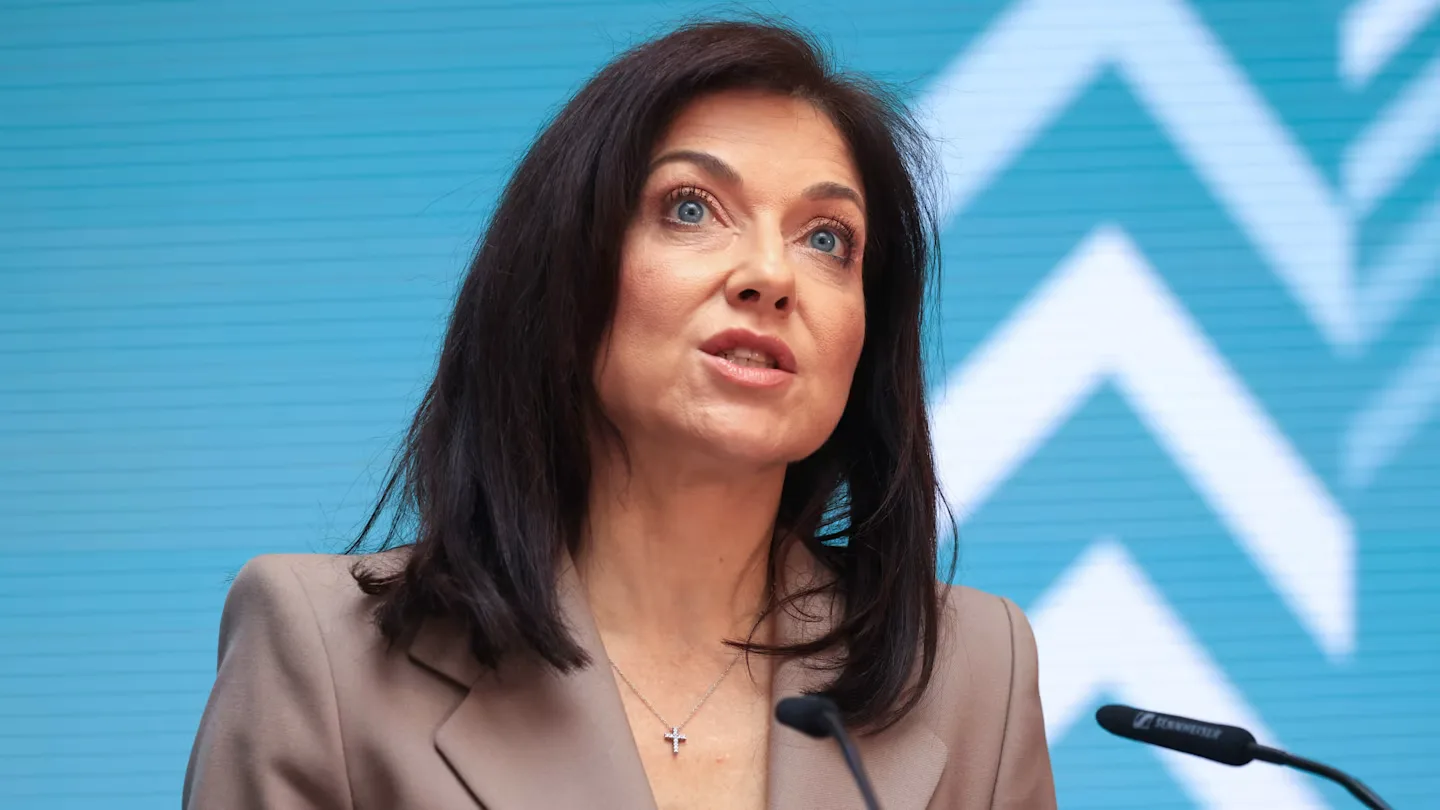
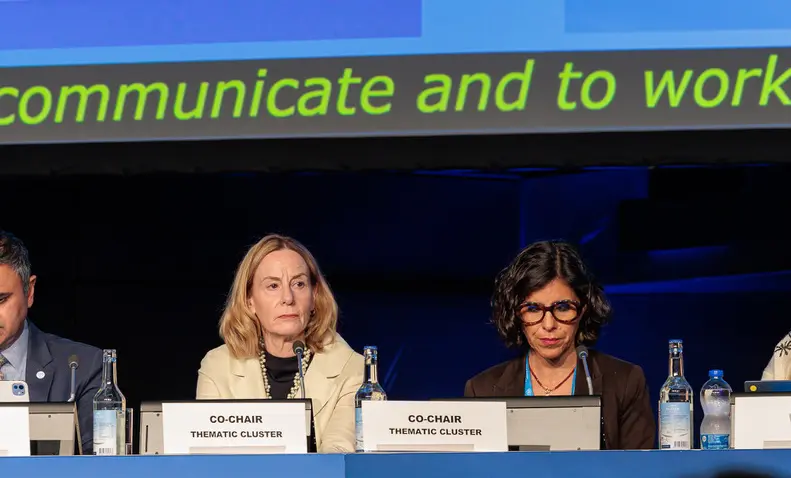
Germany's economy minister has cautioned that the surging popularity of the far right could complicate one of Berlin's biggest economic gambits, a drive to pull in enormous sums of foreign money to restart a stalled economy. Katherina Reiche said the rising support for the Alternative for Germany, known as the AfD, risks giving pause to the international investors the government is courting as it aims to attract at least 3.75 trillion euros of private capital by 2040.
Reiche made the remarks in an interview with the Financial Times ahead of the country's first dedicated investment summit, which opens in Berlin in October. She warned that the growing strength of the AfD might raise concerns among the very funds and firms Germany is trying to win over, an unusually blunt acknowledgment that domestic politics has become part of the sales pitch.
A summit shadowed by an election
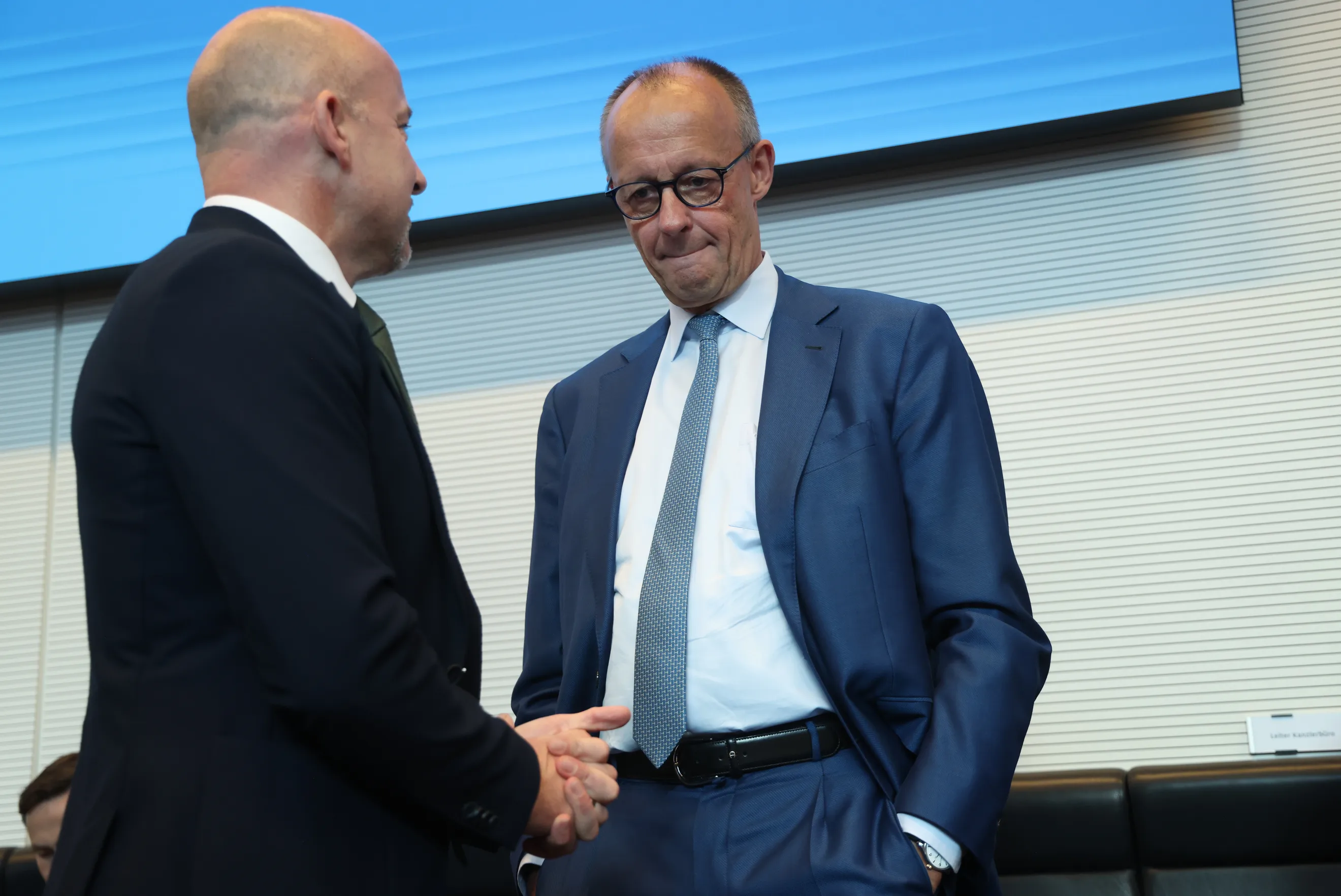
The gathering, branded Invest in Germany, is set to begin on October 19, and Chancellor Friedrich Merz's coalition is counting on it to extract large commitments from pension funds, private equity groups, and other global money managers. It is a centerpiece of Merz's attempt to revive an economy weighed down by fierce Chinese competition, costly energy, and a workforce that is aging fast.
The timing is delicate. Only weeks before the conference, the AfD is poised for potentially historic results in elections in two former East German states, and surveys suggest it is within striking distance of an absolute majority in Saxony-Anhalt in September. Germany's domestic intelligence service has described the party as a possible threat to the country's democracy.
Reiche, who grew up in the former East Germany, did not hide her view of the party's economic thinking. Its programme, she said, is plainly hostile to the market economy, a wild mixture that lacks a clear concept and carries socialistic elements. She went further on foreign policy, calling the AfD one of the best allies of Vladimir Putin. Her warning echoed Tanja Gonner, the head of the industrial lobby BDI, who this month called a possible AfD role in a state government disastrous and a drag on Germany's appeal as a place to invest.
The scale of the ask
The numbers behind the campaign are vast. The 3.75 trillion euros in private capital Reiche is chasing by 2040 would sit on top of roughly 1.9 trillion euros in public investment over the same period, spending unlocked by the coalition's decision to loosen the constitutional debt brake so it can rearm the military, repair long neglected infrastructure, and clean up the energy grid.
Reiche said she had already made her case to investors in the United States, Asia, and the Middle East, framing Germany as a once in a lifetime chance to buy into the Mittelstand, the family owned small and medium companies that form the backbone of the economy and are now heading into a generational handover. The event borrows from playbooks abroad, notably President Emmanuel Macron's Choose France conference, which drew a record 93 billion euros in pledges earlier this year.
As many as 200 investors are expected to attend, among them Goldman Sachs chief executive David Solomon and BlackRock's Larry Fink, who once hired Merz to chair the firm's German business. For all its current troubles, Reiche insisted, Germany remains an industrial powerhouse, with strong industry networks, cutting edge research, and a highly skilled workforce.
Selling star power
The minister cast the summit as a break with habit for a country not used to marketing itself. It is the first time we are selling our star power, she said. The government for the first time sees a necessity in doing this and in offering business opportunities, not only state driven but leveraged by private capital. By her account, US investors, Canadian pension funds, infrastructure groups, and backers from the Gulf, Singapore, and Japan have already signaled interest.
Global managers are watching the government's reform agenda closely, she said, and have taken note of steps such as a plan to add a capital markets component to the state pension system. Their concern is how the reforms will go further, Reiche said. That question is sharpened by unease at home, where some Christian Democrats and Social Democrats have begun to challenge parts of the pension overhaul, especially a move to scrap early retirement perks for people with 45 or more years of work, raising doubts about how much of the plan will survive.
Even so, Reiche argued, many of the investors she has met are looking past the noise. They look at the business case of companies and the value they find here, she said, suggesting that Germans can be too gloomy about their own firms while outsiders see the strengths more clearly. Sometimes we tend to forget our strengths, she added. To underline the coalition's unity behind the effort, she promised a heavyweight turnout in October, when Merz, finance minister Lars Klingbeil, and a roster of other ministers will meet investors at Berlin's ESMT Business School. We will have a line up of half a soccer team showing up, she said.