A booming private jet market in the United States is drawing fresh scrutiny over how little its wealthiest users contribute to the public infrastructure that supports it, according to a new report examining the industry's tax treatment.
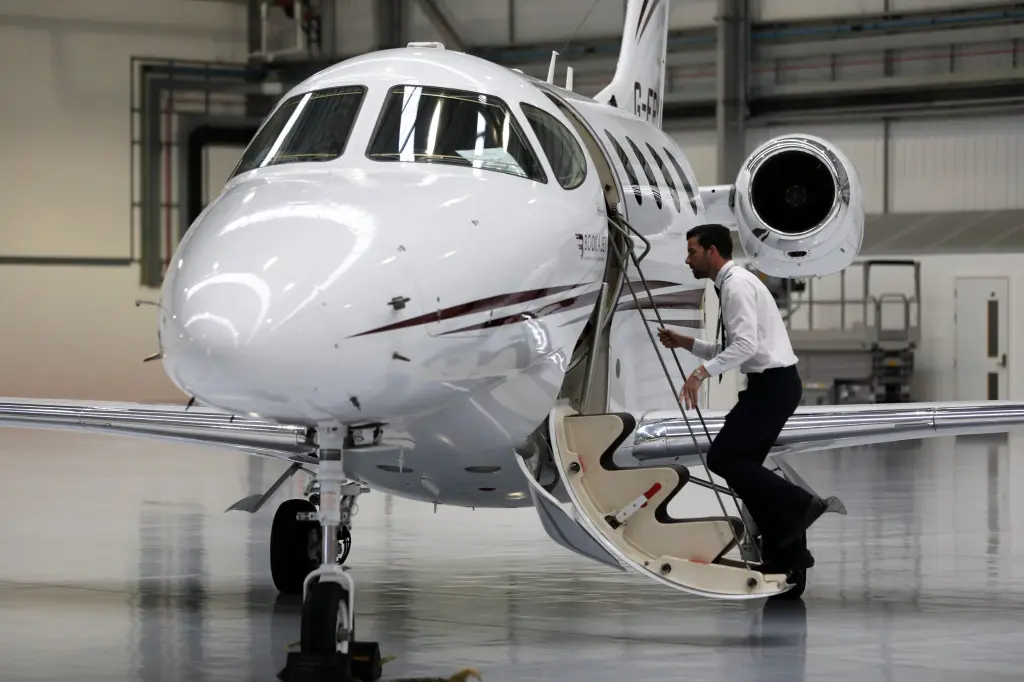
The analysis, part of the Institute for Policy Studies' High Flyers 2026 report, finds that private jet flyers contribute less than 0.6 percent of the taxes flowing into the Airport and Airway Trust Fund, the primary source of funding for Federal Aviation Administration operations, even as the US private jet market has grown into roughly a 40 billion dollar industry. Commercial airline passengers, by contrast, shoulder a much larger share of that funding through ticket taxes and fees.
Deductions That Dwarf Ticket Taxes
The report highlights how current tax rules let jet buyers write off the full cost of a new aircraft in the same year they purchase it. A billionaire buying a 170 million dollar luxury jet, for instance, can deduct the entire purchase price as a business expense immediately, substantially lowering that year's tax bill. That full, immediate write off became available again after a recent piece of legislation restored 100 percent bonus depreciation for private aircraft purchases.