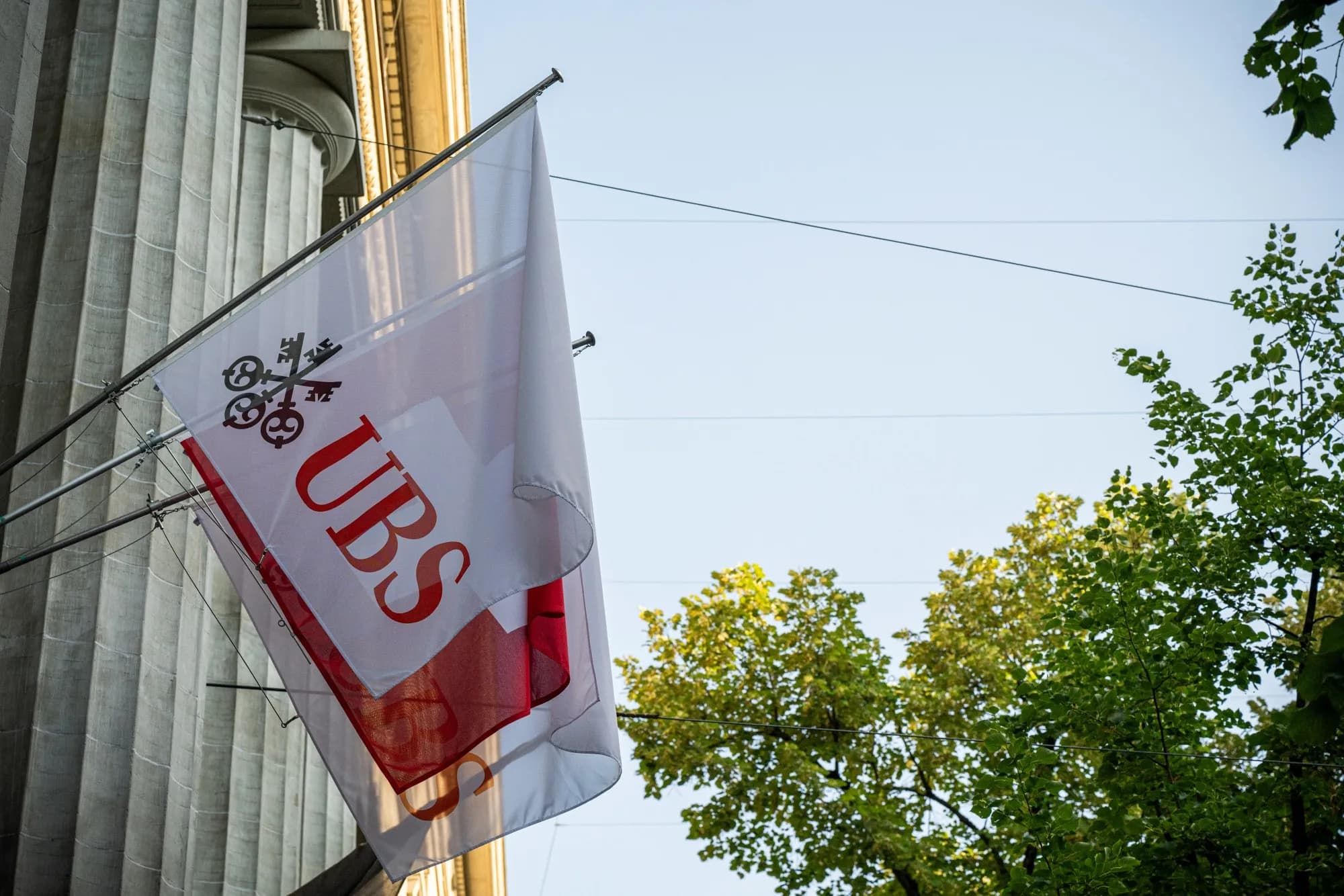
UBS is facing renewed pressure from the United States Senate over how its acquired rival Credit Suisse handled accounts tied to Nazi Germany, with lawmakers saying the bank has still not fully answered questions raised by an ongoing bipartisan investigation.
Senator Chuck Grassley, in a July letter to UBS leadership, said the bank's earlier responses did not fully address the Senate Judiciary Committee's questions and demanded further detail as part of a broader inquiry into Credit Suisse's wartime era banking records. UBS absorbed Credit Suisse in an emergency rescue in 2023, inheriting both the bank's business and a legacy of unresolved historical scrutiny.
Hundreds of Previously Undisclosed Accounts
The Senate investigation, which has drawn on forensic work from outside accounting firm AlixPartners, has identified 890 previously undisclosed accounts at Credit Suisse with potential links to Nazi Germany. Account holders reportedly included Germany's wartime foreign office, the SS paramilitary organization, and a German arms manufacturer. Investigators say the review also uncovered several hundred accounts tied to alleged intermediaries who helped Nazi officials hide gold, disguise transactions used to buy war materials, and profit from the forced sale of Jewish owned businesses and other seized Jewish assets.
The inquiry is being overseen by independent ombudsperson Neil Barofsky, who was previously removed from the role by the bank before being reinstated following pressure from the Senate committee's investigation. That reinstatement has itself become a point of scrutiny, with lawmakers citing it as evidence of what they describe as a pattern of resistance from the bank toward full transparency.
A Legacy Issue UBS Cannot Easily Set Aside
For UBS, the investigation represents an uncomfortable inherited liability from a deal it entered primarily to stabilize the Swiss banking system rather than to take on decades old historical controversies. Still, the bank now finds itself answering to US lawmakers over records predating its ownership of Credit Suisse by decades, illustrating how thoroughly it absorbed its rival's legal and reputational exposure along with its assets. With the Senate committee continuing to press for fuller disclosure, the episode is likely to remain a recurring source of friction between UBS and US regulators and lawmakers for some time to come.