Germany's economic outlook brightened sharply this week, as the country's leading research institutes more than doubled their joint growth forecast for 2026 to 1.3 percent, up from just 0.6 percent projected back in the spring.
The upgraded forecast came alongside a jump in business sentiment, with the closely watched Ifo institute's expectations index climbing to its highest level since late 2025. Chancellor Friedrich Merz said he was confident Germany could reach 1 percent GDP growth next year, framing the improved numbers as early validation of his government's economic strategy.
A Coalition Trying to Project Unity
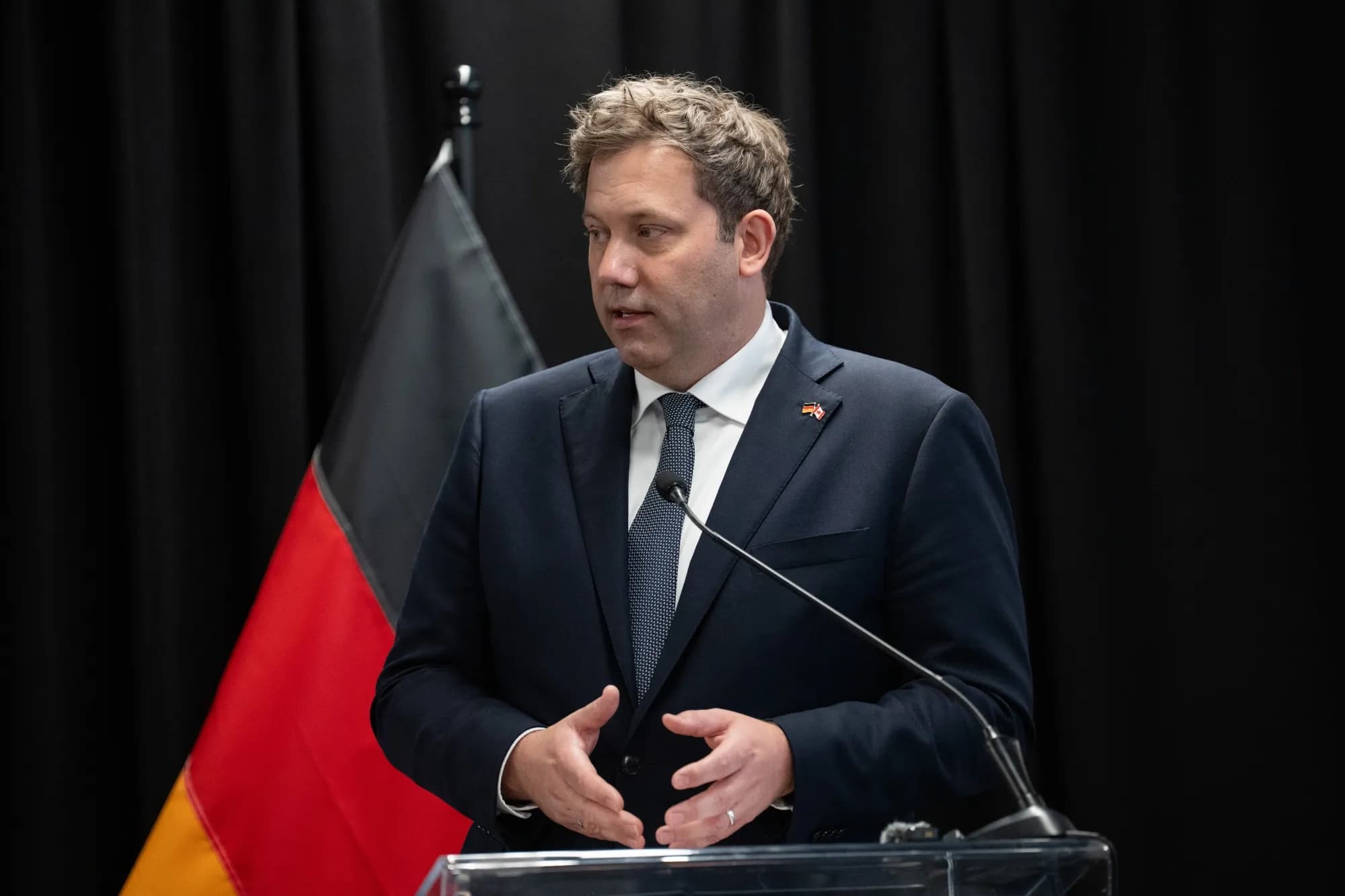
Merz appeared alongside Finance Minister Lars Klingbeil, whose center left Social Democrats serve as the junior partner in his governing coalition, with both leaders pushing back on suggestions that friction between their parties has slowed the country's economic recovery efforts. The joint appearance was widely read as an attempt to project stability at a moment when stronger growth numbers give the coalition a rare piece of good news to point to.
Much of the improved outlook traces back to a large increase in government spending on defense and infrastructure, part of a broader overhaul effort worth roughly 500 billion euros that Merz has championed since taking office. That spending has helped stimulate economic activity faster than many forecasters initially expected.
Growth Comes With a Fiscal Price Tag
The same institutes that raised their growth forecast also issued a clear warning alongside it, cautioning that Germany's need for fiscal consolidation is intensifying rather than easing. Government debt levels are expected to climb sharply as the defense and infrastructure spending that is driving growth also adds substantially to the country's liabilities.
That tension leaves Merz's government facing a familiar challenge for policymakers pursuing stimulus driven growth: the same spending fueling the recovery now is also building pressure that will eventually require politically difficult decisions on taxes, spending cuts, or both to bring the budget back into balance. How the coalition manages that trade off is likely to shape German economic policy debates well beyond the current growth upswing.