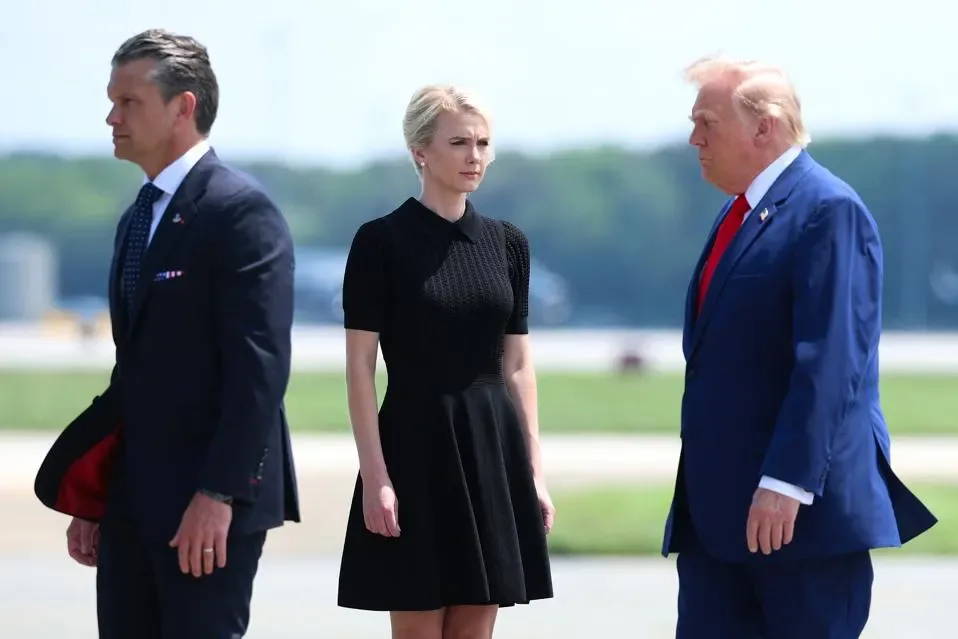
Natalie Harp has become one of the most visible figures in Donald Trump's orbit, rarely more than a step or two from the president, and her constant presence is drawing a fresh round of questions about how much influence she holds. Harp, 35, is Trump's executive assistant and a former host at the right wing channel One America News, and lately she seems to turn up almost everywhere the president goes, from Oval Office meetings to weekend trips to his New Jersey golf club.
Her path into Trump's world began in 2019, when she publicly praised legislation he had signed on access to experimental cancer treatments. She went on to speak at the 2020 Republican National Convention, worked on his 2024 campaign, and was hired as his executive assistant at the start of his second term this year. Along the way she picked up a nickname, the human printer, earned during the campaign for carrying a printer to produce news articles and social media posts she thought might interest him.
Gatekeeper to the president's attention
What makes the role sensitive is how much of Trump's information now appears to pass through her. By multiple accounts she helps control the flow of news to the president, feeding him flattering coverage, and she is often the last person to review his social media posts, said to dictate his messages and press the button to publish them. In meetings she is a fixture on a chair at the side of the room, laptop open.
That access is precisely what unsettles some observers. The concern, as reported by The New York Times, is her potential for undue influence over how Trump perceives current events. The paper reported that she has sourced material from conspiratorial outlets, and that other aides have worried she enables incendiary posts without pushing back. Maggie Haberman, the Times reporter and Trump biographer, has described Harp as the president's human binkie, a shorthand for how attached to her he appears to be.
The plane switch that put her in the headlines
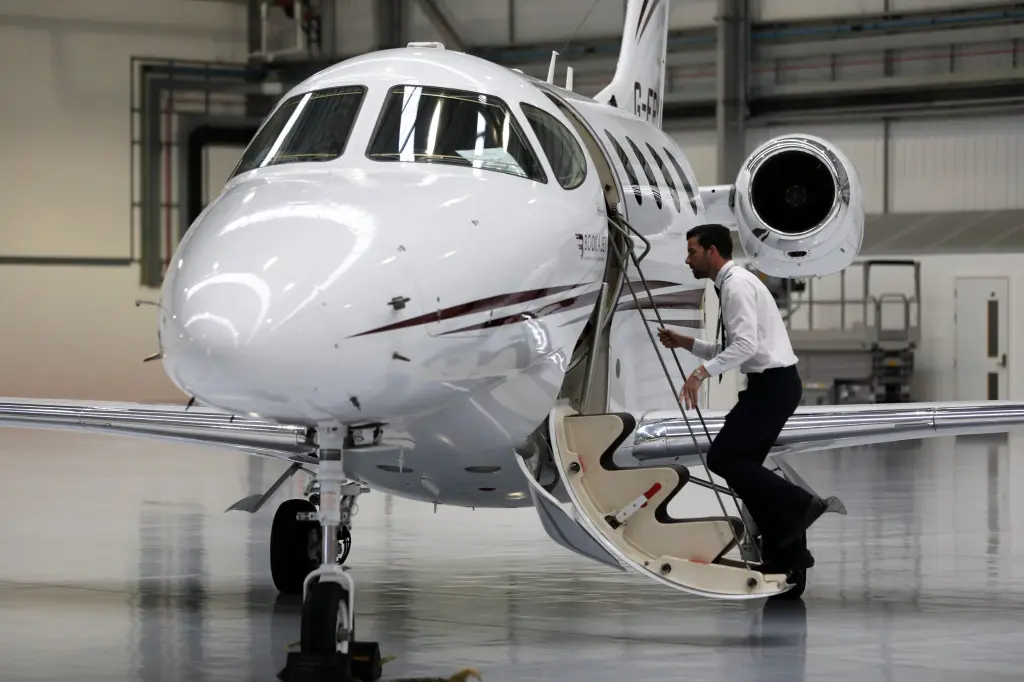
Harp landed in the news again this month over an unusual travel episode. As Trump departed Turkey, she was among a small group of aides moved, by catering cart, off the Qatar gifted aircraft serving as Air Force One and onto a separate plane, while journalists and even some Cabinet officials stayed behind on what amounted to a decoy jet. The others who made the switch included Dan Scavino, Walt Nauta, and Defense Secretary Pete Hegseth.
The episode gave Trump's critics an opening. Senator Jon Ossoff of Georgia suggested the president was more focused on traveling with Harp than on his duties, jabbing at what he called an apparently defenseless flying palace gifted by the emir of Qatar. Trump brushed the criticism aside, responding, you mean Pee Wee Herman. On the other side, the Michigan state senator Mallory McMorrow simply posted, Ok I'll bite. Who's Natalie.
A fight that says as much about Washington
The White House pushed back hard on the criticism. A spokesman, Steven Cheung, went after Ossoff personally, saying the senator should look deep into his soul and ask himself why he's a miserable person. The exchange even drew a rebuke from the president's own side, with the CNN commentator Scott Jennings warning that the tone was telling, tweeting that it was quite a message for the Democratic Party to send to young women working in politics.
Underlying the political sparring is a more personal portrait that has fueled the speculation. In their 2026 book, the reporters Jonathan Swan and Maggie Haberman wrote that Harp had sent Trump adoring and intimate letters that raised the eyebrows of the Secret Service, and Swan has said she is just totally devoted to him. None of that establishes anything improper, and Harp's defenders cast her as a loyal aide doing a demanding job. But the combination of proximity, influence, and unanswered questions is why a president's executive assistant has become an unlikely subject of national attention.