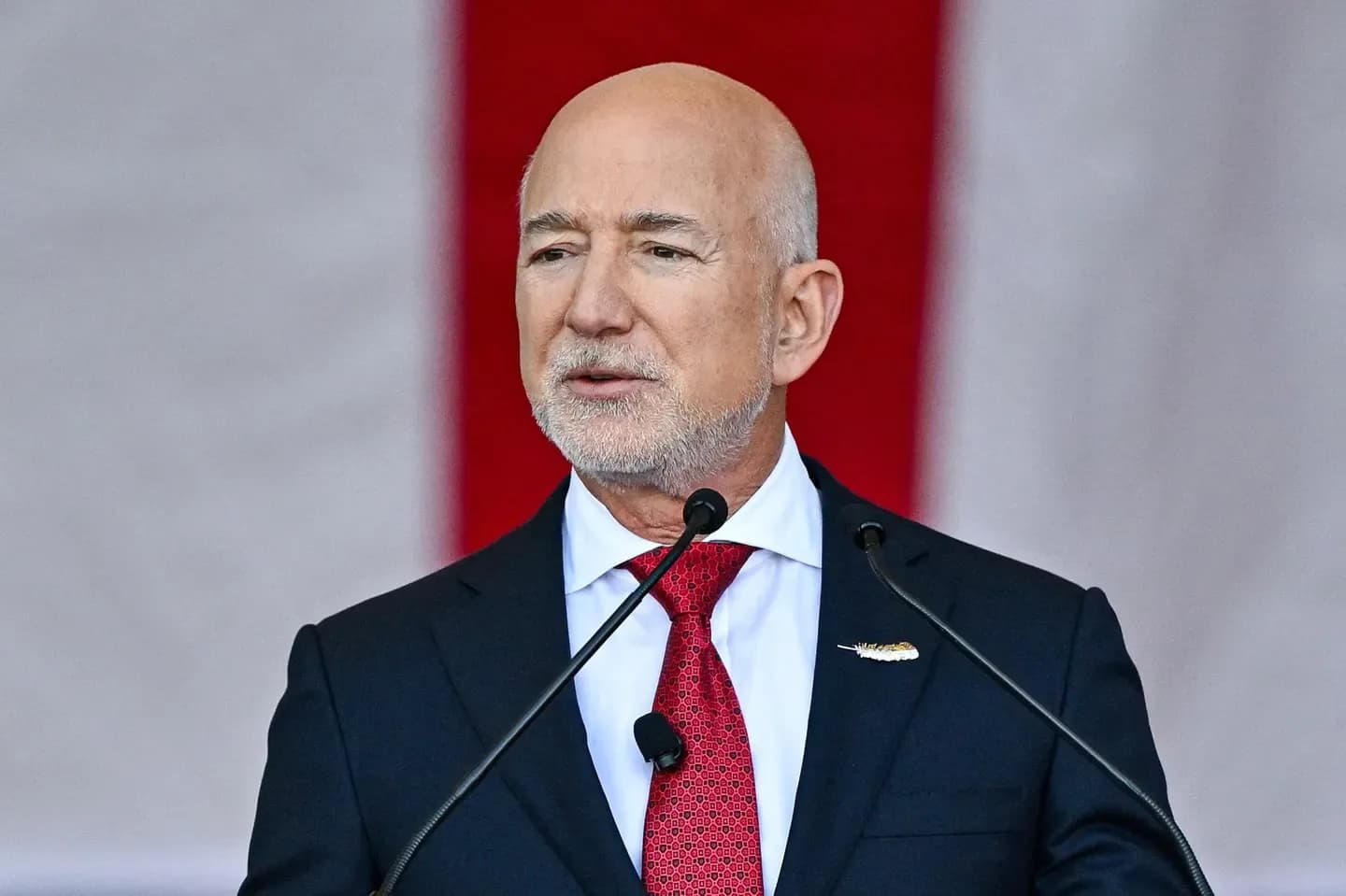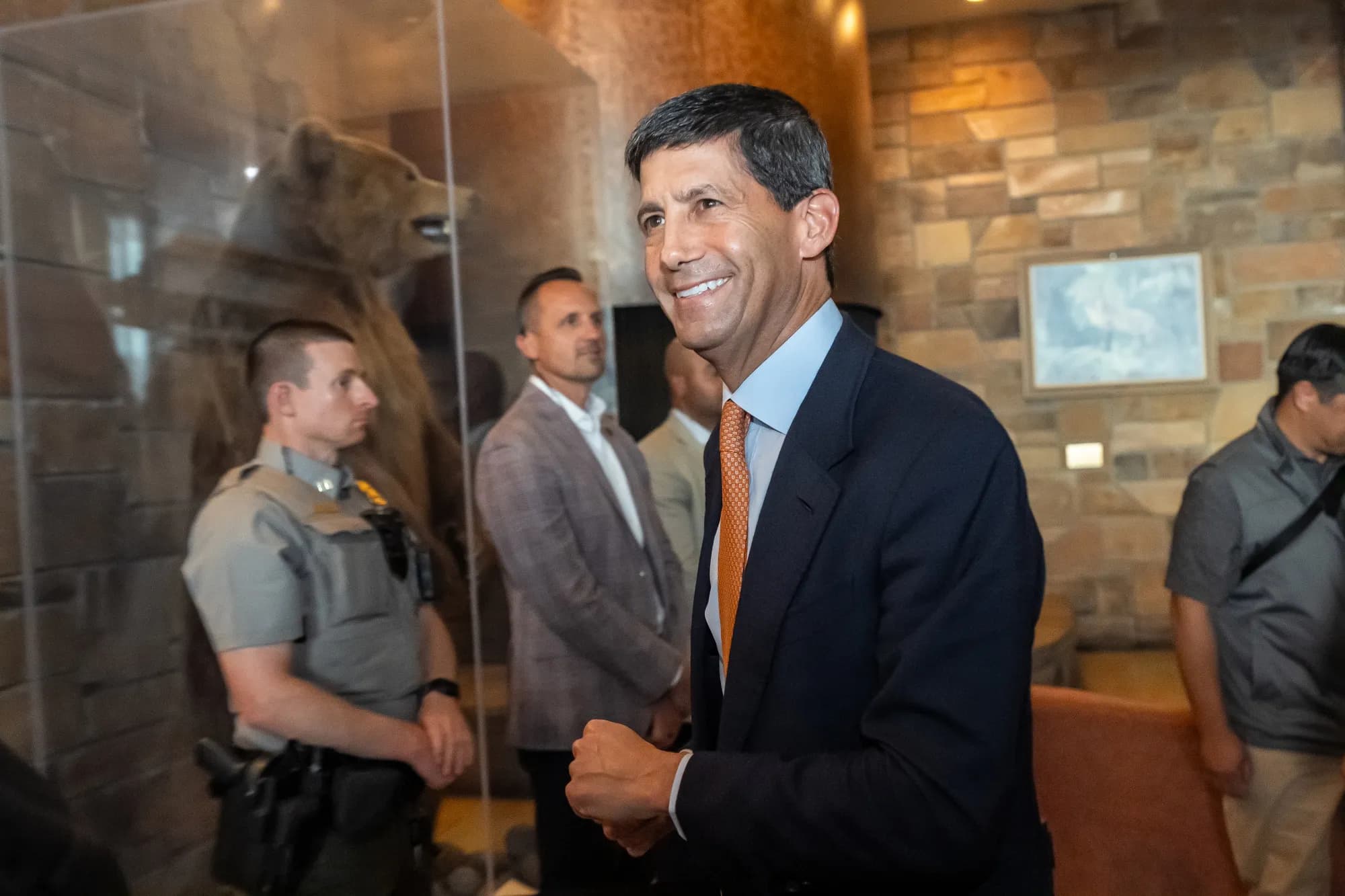
Kevin Warsh delivered his first Jackson Hole keynote as chair of the Federal Reserve on Friday, stepping into one of the most closely watched speaking slots in central banking at a moment when bond markets are under real strain.
The speech capped the three day economic symposium hosted by the Federal Reserve Bank of Kansas City in Jackson Hole, Wyoming, an event that has historically served as a venue for Fed leaders to signal their thinking on interest rates to investors around the world. Warsh, who took over as chairman roughly three months ago, arrived under pressure to say something concrete about how the central bank plans to handle inflation that has proven more stubborn than policymakers hoped.
A Bond Market Already on Edge
The backdrop made the moment especially tense. The yield on the 30 year Treasury bond closed at 5.31 percent in the middle of August, its highest level since 2007, reflecting investor worry about long term inflation and government borrowing. The Treasury Department had already intervened directly in the bond market days earlier in an attempt to bring long term borrowing costs back down, an unusual step that underscored how uncomfortable rates had become for policymakers.