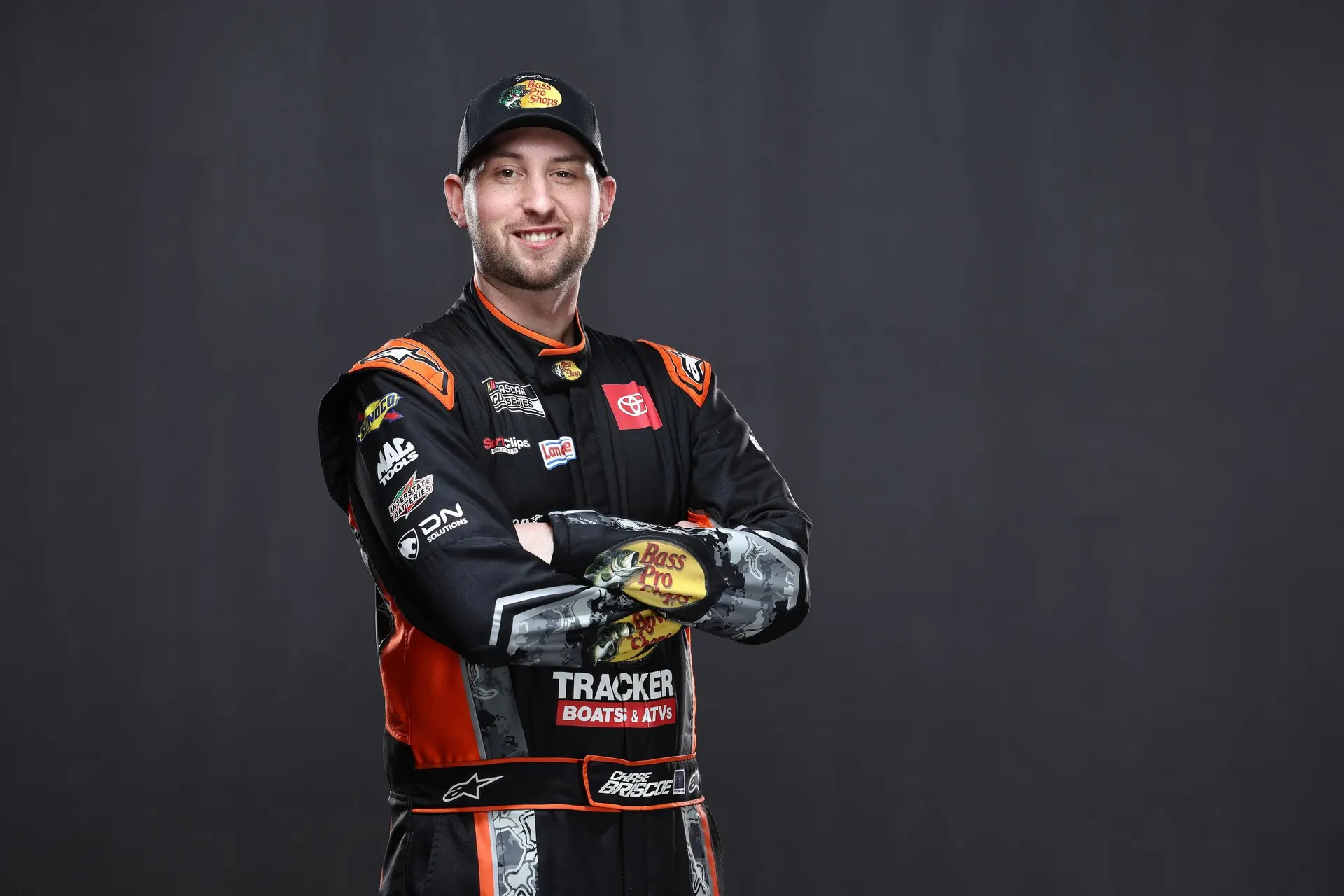
NASCAR driver Chase Briscoe is stepping into a new entrepreneurial lane, launching a sprint car racing operation that draws inspiration from his childhood idol Tony Stewart without simply replicating the three time NASCAR champion's business model, according to Forbes.
Briscoe, who competes at the top level of NASCAR's Cup Series, grew up idolizing Stewart, one of the most decorated and versatile drivers in American motorsports history. Stewart built a sprawling racing empire that spanned NASCAR, IndyCar and dirt track sprint car racing, eventually founding his own promotion and team ownership ventures that became a blueprint for drivers looking to extend their influence beyond the cockpit.
Now Briscoe is following a similar career arc, using his platform and earnings from a successful NASCAR career to invest in grassroots motorsports. But according to Forbes, the approach he is taking with his new team diverges meaningfully from the path Stewart carved out decades earlier, reflecting both a different racing landscape and Briscoe's own instincts as a businessman.
Sprint car racing, a dirt track discipline known for its high powered, lightweight vehicles and loyal regional fan bases, has long served as a proving ground and passion project for NASCAR drivers with roots in short track competition. Stewart himself never fully left the discipline, continuing to compete and invest in dirt racing even at the height of his NASCAR fame. That enduring connection helped him build not just a racing team but a broader commercial ecosystem including ownership stakes in tracks and sanctioning bodies.
Briscoe's own background mirrors that dirt track pedigree. He built his reputation racing on short tracks before climbing through NASCAR's developmental ranks and ultimately reaching the Cup Series, the top tier of American stock car racing. That grounding in grassroots racing appears central to why Stewart, who has known Briscoe throughout his rise, describes the sport as being in Briscoe's DNA, according to the Forbes report.
For Briscoe, launching a sprint car team represents more than nostalgia. It is a calculated business decision that allows him to diversify his income and influence within motorsports while he is still an active competitor at NASCAR's highest level. Team ownership ventures like this one give drivers a stake in the sport's broader economy, from sponsorship deals to prize money to the development of young talent who may eventually feed into larger racing organizations.