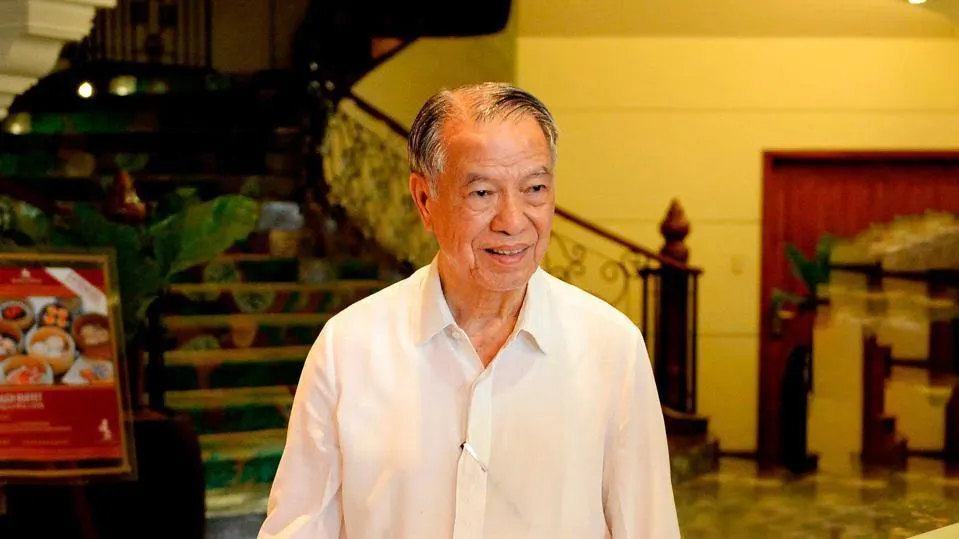
Philippine Airlines has placed one of the largest aircraft orders in its history, committing to as many as 34 wide body jets split between Airbus and Boeing. The deal is a statement of intent from a carrier that was in bankruptcy court barely four years ago, and it carries the fingerprints of Lucio Tan, the banking and tobacco billionaire who has controlled the airline for decades.
The order marks the clearest sign yet that the flag carrier has moved past survival mode and is now planning for a decade of expansion. It also splits its largest new commitment evenly between the two dominant planemakers, a hedge that keeps both suppliers close and gives the airline flexibility on price, delivery, and engines.
What the airline is buying
On the Boeing side, Philippine Airlines has committed to at least 15 of the 787-10 Dreamliner, with options for another 5 that would lift the total to 20. Those jets are due to arrive between 2031 and 2034 and will be powered by GE Aerospace GEnx-1B engines. At list prices the package is worth as much as 7.1 billion dollars, though carriers of this size rarely pay anywhere near sticker, and the real figure after discounts lands far lower.
From Airbus, the airline is taking a minimum of 9 A350-1000 jets, with options for 5 more that could push the count to 14. Deliveries there run from 2034 to 2036, with Rolls-Royce Trent XWB-97 engines under the wings. That order is valued at up to 5.1 billion dollars before the usual negotiated reductions. Notably, the carrier is the only operator of the A350-1000 in Southeast Asia, a distinction it now intends to deepen.
A grandson signs off on the bet
The public face of the announcement was Lucio Tan III, grandson of the patriarch and president of parent company PAL Holdings. He framed the purchase as a vote of confidence in both the airline and the broader trajectory of air travel, saying the investment reflects the company belief in the future of Philippine Airlines and the continued growth of demand for flying.