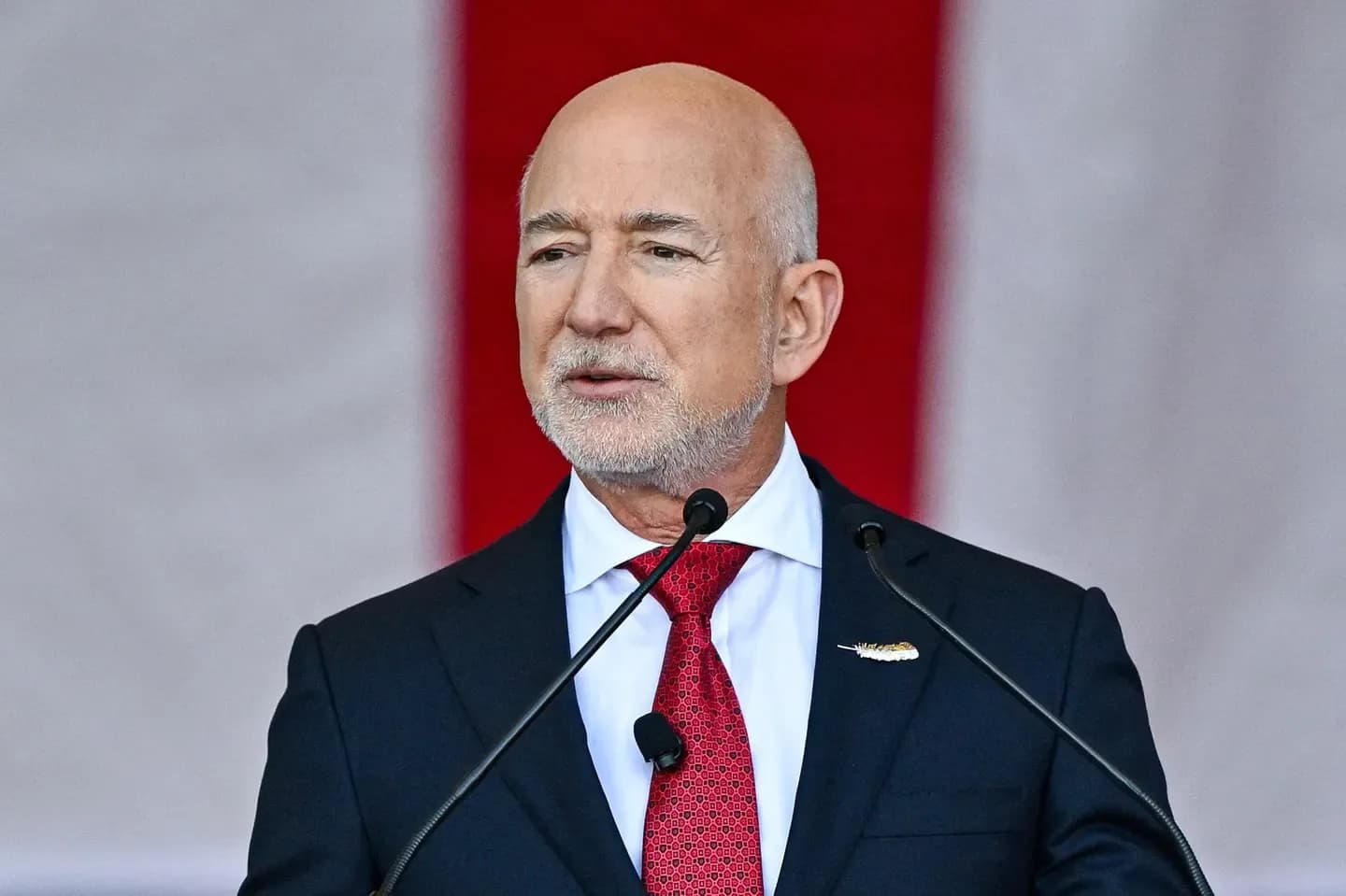
Peter Mallouk has become the newest billionaire owner in Major League Soccer, and his advice to fellow investors is not to follow his lead. The 56 year old built a 16.1 billion dollar fortune running Creative Planning, one of the largest wealth management firms in the United States, and this year he paid hundreds of millions to take majority control of Sporting Kansas City at a roughly 700 million dollar valuation, a record for the league. Yet he is candid that, judged purely as a financial decision, buying a team is usually a mistake.
His argument rests on the kind of numbers he spends his career studying. Sports franchises have soared in value, with NFL teams appreciating some 17 times since 2000 and NBA teams by even more, far outpacing the stock market, largely because their prices held up through downturns that battered everything else. Stretch the timeline, though, and the picture shifts. The Los Angeles Lakers, bought for 67.5 million dollars in 1979 and sold for 10 billion in 2025, returned about 11.5 percent a year, just short of the S&P 500. The same money left in an index fund would be worth more today, with, as Mallouk puts it, a lot more anonymity, a lot less hassle and a lot less drama.
What worries him is how detached current prices have become from the underlying businesses. Teams in the major North American leagues now change hands at around 10 times revenue, up from under 3 times in 2000, a multiple that reflects billionaire demand more than earnings. Sporting Kansas City itself sold at more than 8 times its roughly 81 million dollars in annual revenue. As the New York University finance professor Aswath Damodaran observes, a franchise is the trophy of the moment, and no one knows what the trophy will be in thirty years. For Mallouk, that makes a team a status asset first and an investment a distant second.
His guidance to clients is unsentimental. Put money into diversified private equity before chasing sports, treat sports funds as a hedge rather than a growth engine, and never assume a team will beat a plain index fund once the heavy management and performance fees are counted. He built Creative Planning from a firm with 30 million dollars in assets in 2004 into one advising some 700 billion, so he knows the math cold. His own purchase, he admits, was not about the math at all. His parents loved the game, he loves Kansas City and live sport, and he plans to lift the payroll of a club that has long spent near the bottom of the league. Sometimes, even for a professional investor, the point is not the return.