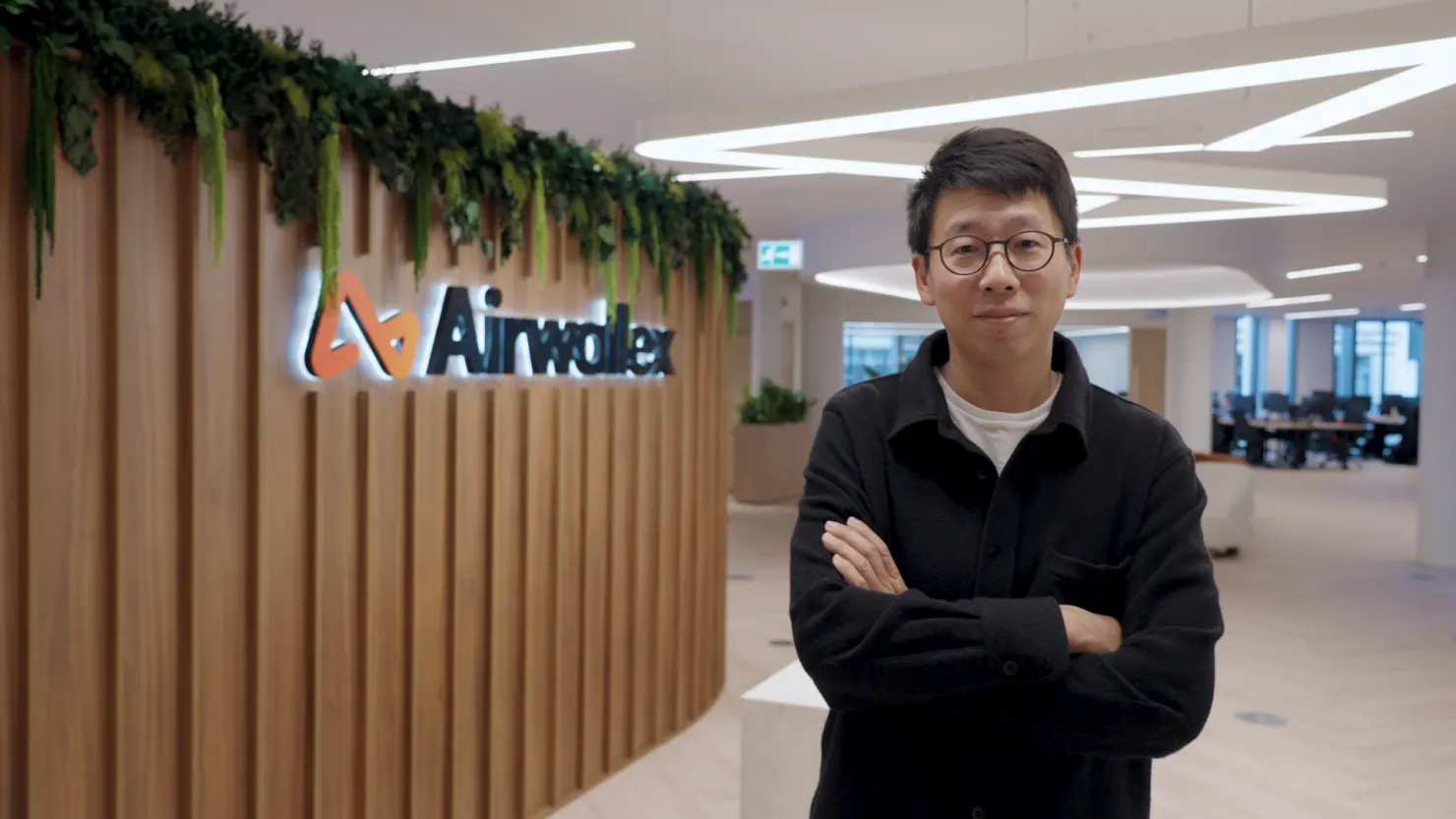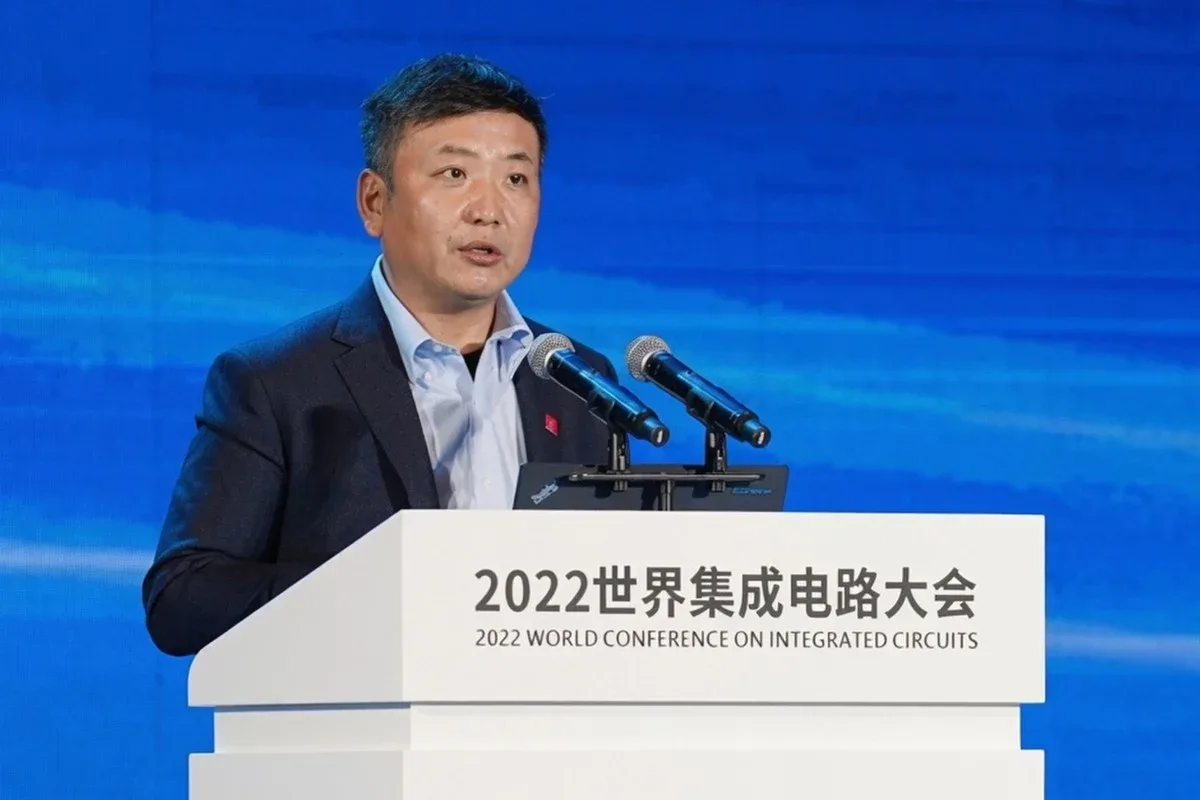
Zhu Yiming was not a household name outside China's chip industry until this week, when a stock market debut in Shanghai turned the 54 year old engineer into one of the country's richest people. Forbes now pegs his fortune at 15.9 billion dollars, built almost entirely from his holdings in ChangXin Memory Technologies, the memory chip maker he chairs, along with a stake in the chip design firm GigaDevice.
The wealth arrived in a single stroke. CXMT listed on the Shanghai exchange on Monday and immediately became the largest company by market value on China's onshore market, worth about 3.7 trillion yuan, or roughly 546 billion dollars. The offering sold 6.7 billion shares at 8.7 yuan each and raised 57.9 billion yuan, close to 8.6 billion dollars, making it the biggest initial public offering anywhere in Asia so far in 2026.
From a 2016 startup to a national champion
CXMT is only a decade old. Founded in 2016 and based in the city of Hefei, in Anhui province, it set out to do something China had never managed at scale, which is to manufacture DRAM, the type of memory that sits inside phones, laptops, servers, and increasingly the data centers training artificial intelligence models. For years the country imported more than 90 percent of its memory chips, a dependence that Beijing came to see as a strategic weakness.
Zhu brought an unusual resume to the task. He earned bachelor's and master's degrees in physics from Tsinghua University and a further degree in electronic engineering from the State University of New York at Stony Brook, and he is now a permanent resident of Singapore. The company he leads got an early technical boost from patents bought out of Qimonda, the German memory maker that collapsed after the 2008 financial crisis, and from deep pockets at home.
Backed by the state, bought by Big Tech
The shareholder list reads like a map of China's tech ambitions. CXMT counts the state backed China Integrated Circuit Industry Investment Fund, known as the Big Fund, the Hefei municipal government, and Alibaba's cloud unit among its owners. Its customers include the biggest names in Chinese technology, from Alibaba, ByteDance, and Tencent to device makers Lenovo and Xiaomi, and the company has reportedly drawn interest even from Apple.
The financial turnaround has been steep. CXMT booked 61.8 billion yuan in revenue in 2025 and turned its first ever annual profit of 1.9 billion yuan. The first half of 2026 looks far larger, with the company projecting sales of as much as 120 billion yuan, a jump of more than 677 percent from a year earlier, and net profit of up to 57 billion yuan. For the full year it expects sales above 50 billion dollars.
Still a step behind the leaders
For all the momentum, CXMT remains the smallest of the memory giants. It ranks fourth in the world by market share, and in the first quarter of 2026 it held about 8 percent of the global market. The three companies ahead of it were far larger, with Micron at 22 percent, SK Hynix at 29 percent, and Samsung at 38 percent. More than 97 percent of CXMT's sales still come from Greater China, a sign of how much its rise depends on the home market.
Analysts are split on how far it can climb. Local demands will continue to benefit CXMT's future development, said Shen Meng, managing director at Chanson and Co, pointing to the built in advantage of serving Chinese buyers hungry for a domestic supplier. Others are cooler on its global prospects. Neil Shah of Counterpoint Research described a generational technical gap between CXMT and the leaders in advanced high bandwidth memory, the chips that power the most demanding AI systems.
Morningstar analyst Jing Jie Yu was blunter still, saying the firm does not expect CXMT to capture a material share of the global AI memory market because of technological gaps that stem from restricted access to chipmaking equipment and geopolitical tensions. Even so, with a memory shortage that some industry leaders expect to stretch past 2030, and a government determined to build its own supply, Zhu has plenty of room to keep growing at home. The proceeds from the listing are earmarked for exactly that, more production and more research, as CXMT tries to close the distance on the rivals it has spent ten years chasing.