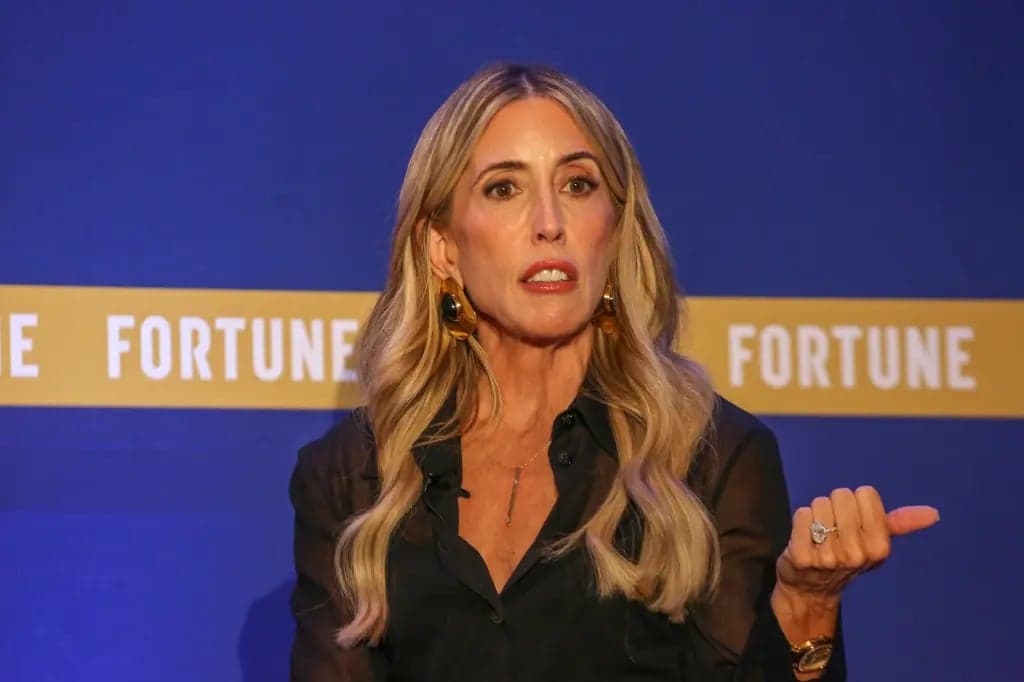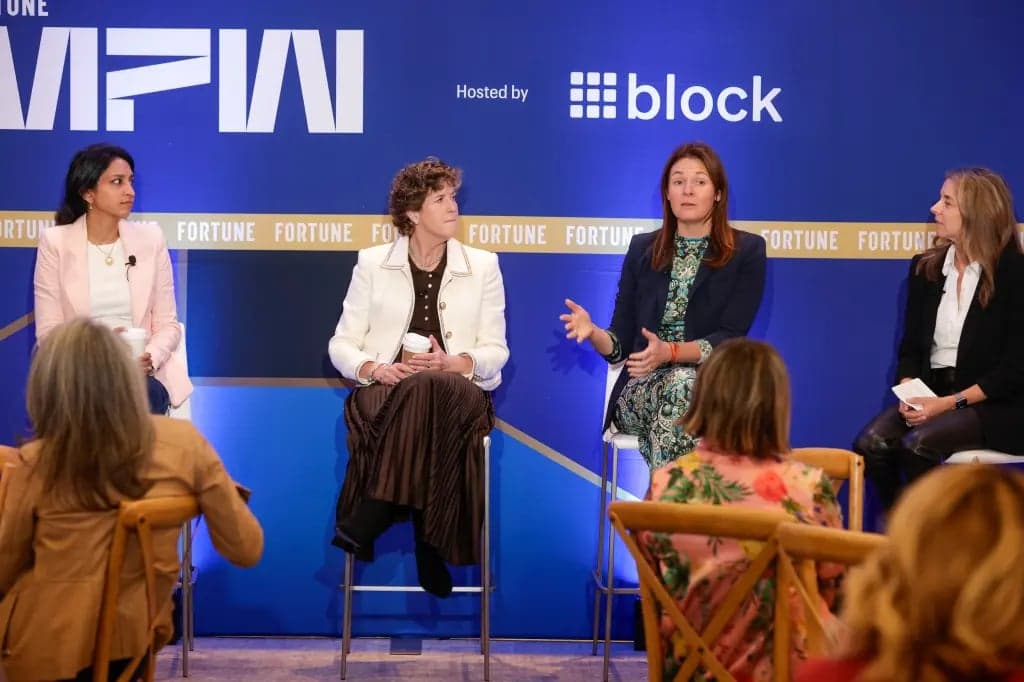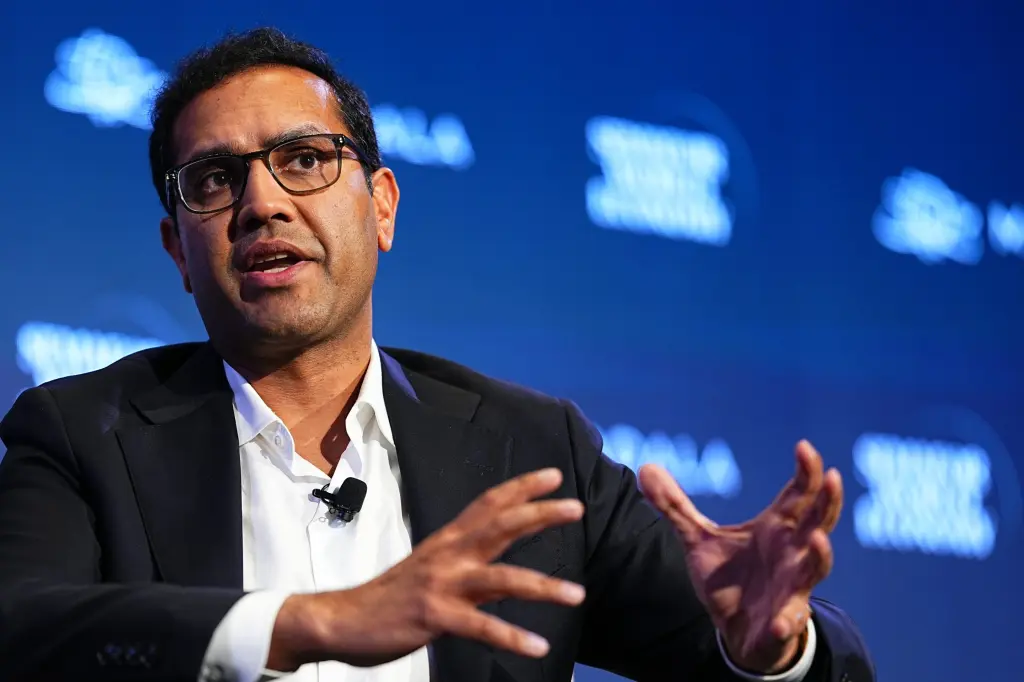
Asha Sharma, 38, became CEO of Xbox in February 2026 under Microsoft chief executive Satya Nadella, despite coming from outside the gaming world. A mother of three who grew up in Racine, Wisconsin, Sharma had most recently led Microsoft's AI Foundry platform and worked on GitHub Copilot, and before that spent time as vice president of product at Meta and chief operating officer at Instacart, where she helped guide the company toward its IPO. She started her career in Microsoft's marketing department, holds a business degree from the University of Minnesota, and has a second degree black belt in tae kwon do. Former Microsoft executive Eric Boyd, who brought her back to the company in 2024, has described her willingness to confront underperformance directly and her knack for spotting problems in industries she does not know well.
The turnaround she inherited is a steep one. Xbox's current generation consoles have sold just over a third as many units as Sony's PlayStation 5, and the division's profit margin sits at roughly 3%, a fraction of what rivals post. Xbox remains Microsoft's third largest business by revenue following the $69 billion Activision Blizzard acquisition in 2023, but past strategy missteps, including a Game Pass subscription that cannibalized sales of premium titles and not enough investment in exclusive console games, left the business underperforming.
Sharma's response has been to restructure aggressively. She has cut 1,868 jobs so far as part of a plan to eliminate 3,200 positions within a year, with more cuts planned for November and January, and has flattened layers of management. In April 2026 she renamed the division from Microsoft Gaming back to Xbox. On the product side, she is pushing a next generation handheld device, internally called Project Helix and expected to carry a price somewhere between $1,200 and $1,800, targeted for the 2027 holiday season, ahead of a new console planned for the 2028 holidays. Game Pass itself is being reworked into an a la carte structure with tiers and add ons for console only titles, cloud gaming, and multiplayer, rather than one flat bundle.