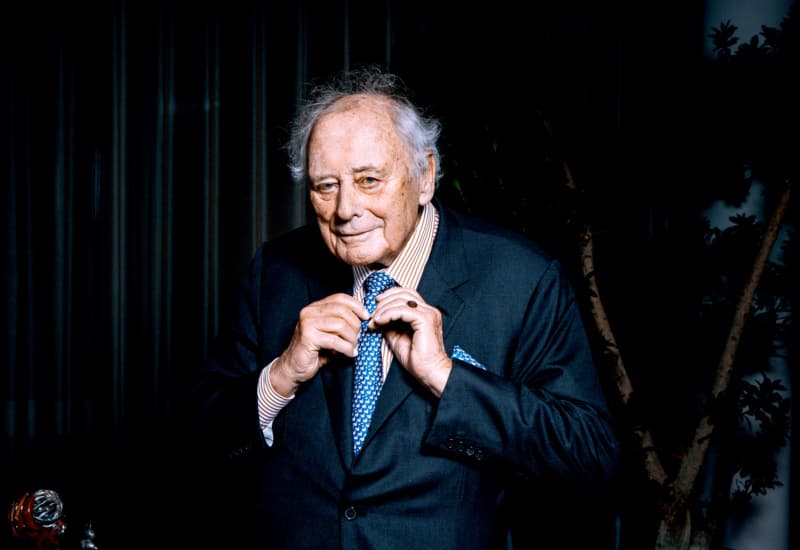
Cho Tak Wong, known in China as Cao Dewang, is 80 years old and worth an estimated 4.7 billion dollars, yet the subject that animates him is not his fortune but what to do with it. The company he built, Fuyao Glass, grew from a struggling state factory in the 1980s into one of the largest makers of automotive glass in the world, now valued near 20 billion dollars and employing more than 40,000 people. Its windshields sit in cars from Tesla, General Motors, and Ford. Having spent a lifetime assembling that empire, Cho now speaks with more energy about giving it away than about growing it.
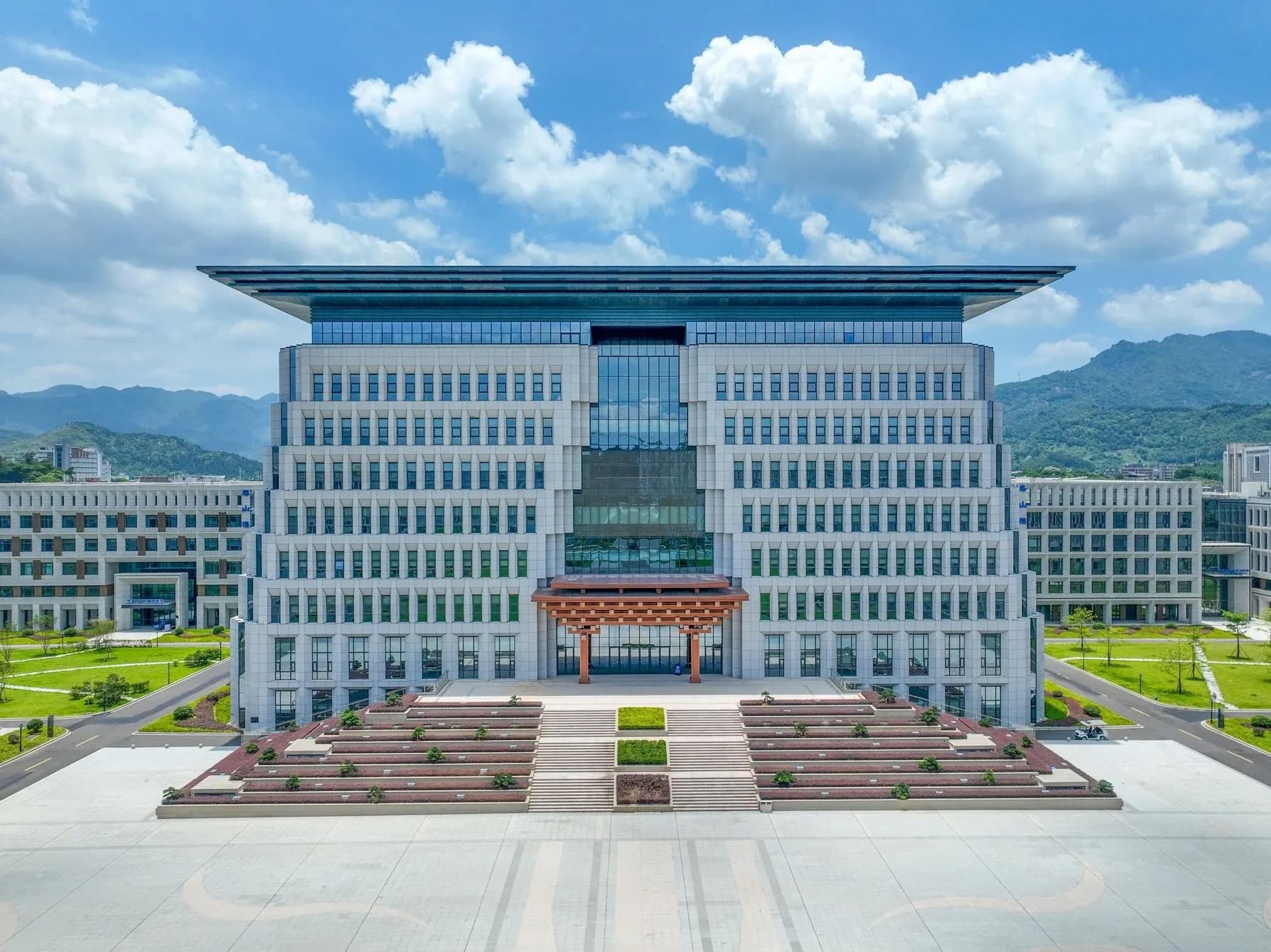
His record of philanthropy is long and deliberate. In 2011 he transferred 300 million Fuyao shares, worth roughly 500 million dollars at the time, to launch the Heren Charitable Foundation, which has since backed some 260 projects weighted toward education and economic development. A decade later he pledged 1.5 billion dollars to found the Fuyao University of Science and Technology in Fuzhou, in Fujian province. Behind the checks is a settled philosophy. Cho argues that the resources an entrepreneur commands are drawn from society, and that a person of real ability carries a duty to return that wealth rather than carry it off into retirement.
The American chapter of his story shaped that thinking. Fuyao poured about 1.5 billion dollars into the United States and created roughly 4,000 jobs, most visibly by reopening a shuttered General Motors plant in Moraine, Ohio, a venture captured in the Oscar winning documentary American Factory. When Cho weighed how to give at scale, he pointed to the American tradition of first generation industrialists who endowed private universities late in life, and decided to follow the same path at home. The university, for him, is less a monument than a mechanism for turning a private fortune into public capacity.
What sets him apart now is his optimism about the future of giving in China itself. He expects a new wave of philanthropy from the country's younger technology billionaires, encouraged by a cultural reverence for education and by a government that has folded charitable giving into its common prosperity agenda. He is just as calm about the economy, describing its ups and downs as wave shaped rather than a straight climb, with each adjustment clearing the way for the next advance. In 2025 he stepped back as chairman in favor of his son, Tso Fai, while keeping an honorary lifetime title, a handover that frees him to treat giving as the defining work of his final chapter.