Liam Fedus, a former vice president of research at OpenAI, is raising at least 500 million dollars for Periodic Labs, the young company he co-founded with Ekin Dogus Cubuk, who was previously a research scientist at Google DeepMind. The round would value the startup at about 7.5 billion dollars and is led by AMP, the firm started by former Andreessen Horowitz partner Anjney Midha. According to people familiar with the talks, the raise was heavily oversubscribed, and there are already preliminary discussions about a fast follow round at an even higher price.
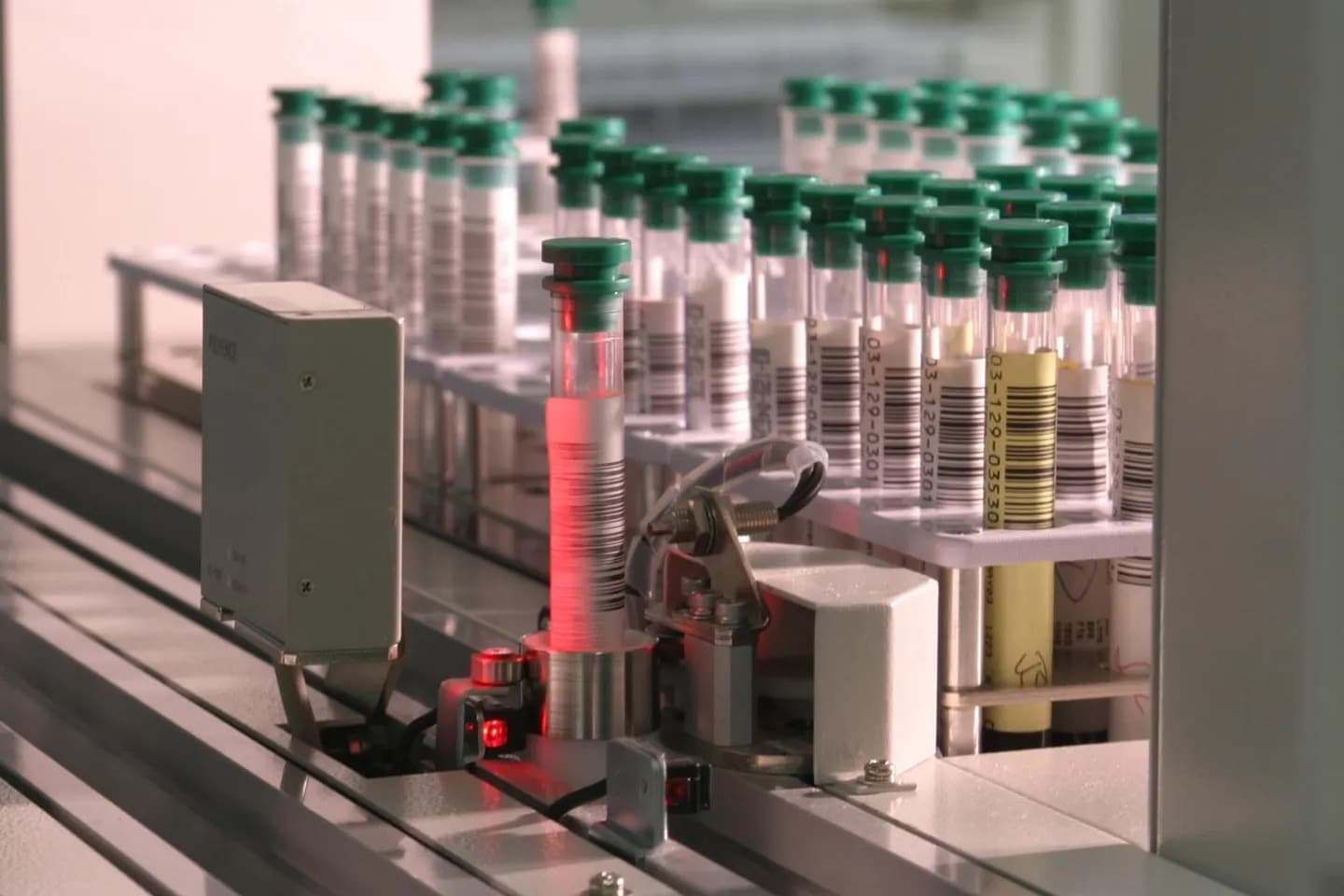
The idea behind Periodic Labs is a departure from the way most artificial intelligence has been built. Instead of training models on text scraped from the internet, the company runs autonomous robotic laboratories that carry out real physics and chemistry experiments and turn the results into fresh training data. The immediate target is the discovery of superconductors that work at higher temperatures, a long standing scientific prize with obvious value to industry, and the team is already working alongside semiconductor makers. In effect, the startup is trying to teach machines to do science by having them generate the evidence themselves.