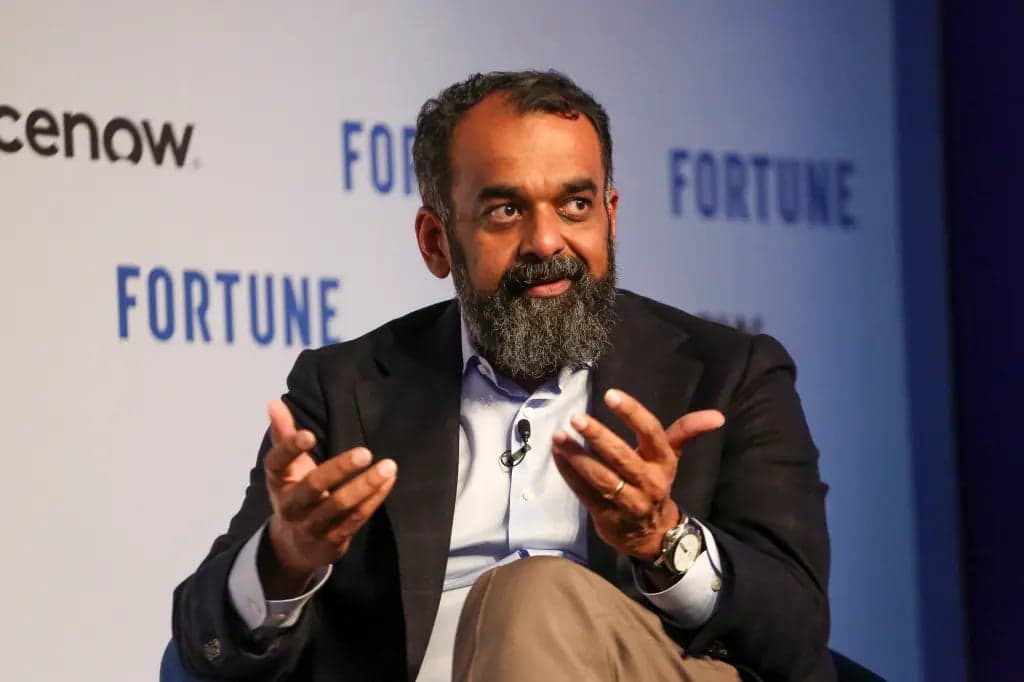
Suno has become the loudest name in artificial intelligence music, and its backers are pricing it accordingly. The company, founded in 2022 by chief executive Mikey Shulman with cofounders Georg Kucsko, Martin Camacho, and Keenan Freyberg, all of whom met at the data firm Kensho and share musical backgrounds, lets a user type a few words and receive a complete song with vocals and instruments. After a 250 million dollar Series C led by Menlo Ventures, the startup has raised about 375 million dollars in total and carries a valuation near 2.45 billion dollars. That price is the real bet, a wager that music made by software is not a novelty but a lasting part of how songs get made.
The traction behind the number is genuine. Suno says it has passed 100 million users, with more than 2 million paying subscribers who spend between 8 and 24 dollars a month, and its systems now generate on the order of 7 million songs a day. The app topped Apple's music download charts in April 2026, and the business has scaled in step, with annualized revenue reaching roughly 300 million dollars in early 2026 after tripling in a matter of months. A creator tool called Suno Studio, released in late 2025, pushed the product past simple generation into editing and layering, a move aimed at professionals rather than dabblers.
The harder part of the story is legal. In 2024 the major labels, including Universal, Sony, and Warner, along with the industry's trade body, sued Suno for training its models on copyrighted recordings without permission. Rather than fight to the end, Suno has begun converting those disputes into deals. Warner reached a licensing partnership in late 2025 that lets the startup train on approved recordings while restricting downloads to paying subscribers, and a rival service settled on similar terms. Universal has so far held out, resisting the idea of AI songs flowing freely onto mainstream streaming, and a separate class action from working artists keeps the pressure on. Each settlement turns a lawsuit into a supply of licensed music, which is exactly what a durable business needs.
What Suno is really testing is whether listeners accept the output. Shulman frames the company as a way to let billions of people make music who never could before, while skeptics in the industry ask whether anyone wants a machine's version of heartbreak. For now, AI tracks are a small slice of total streaming, and platforms are busy purging spam and fraudulent plays that cloud the picture. Competitors like Udio and Google's own music models are pressing in as well. The valuation assumes that the technology, and the licenses that make it legitimate, arrive before the doubts catch up. If that bet holds, Suno will have helped turn a gimmick into an industry.