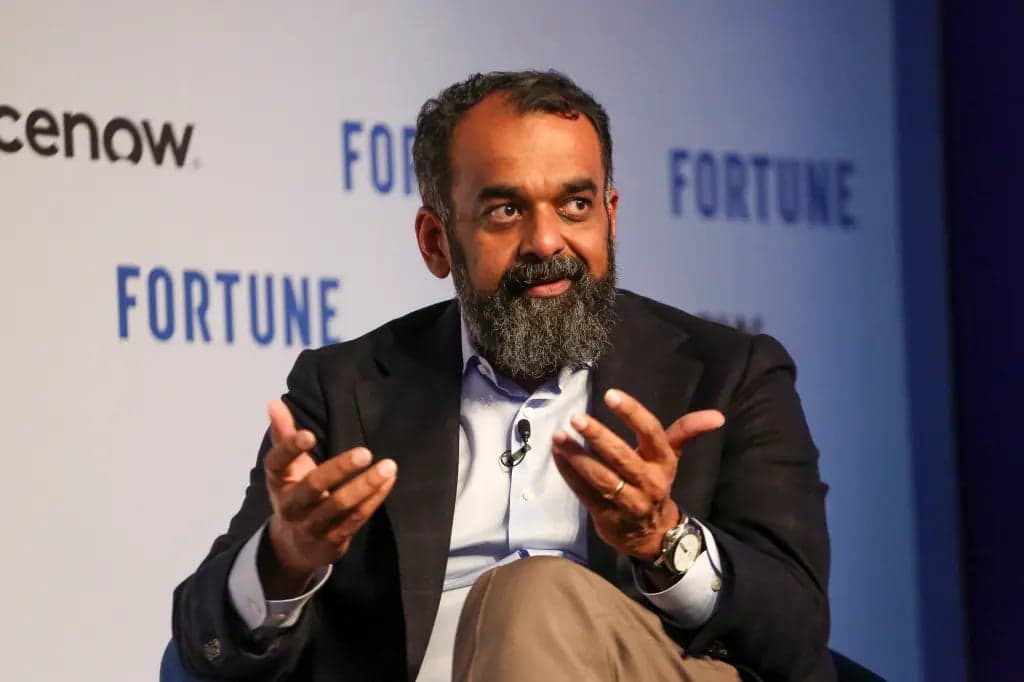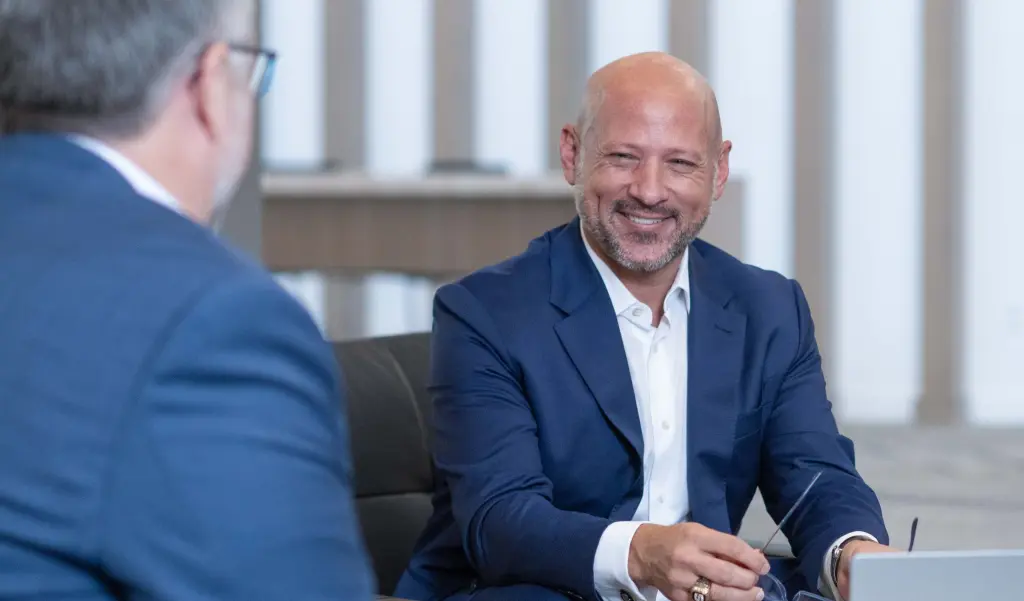
Mistral has become the rare artificial intelligence company that sells its nationality as a feature. The Paris firm, founded in 2023 by chief executive Arthur Mensch alongside Guillaume Lample and Timothee Lacroix, all researchers who cut their teeth at Google DeepMind and Meta, is now valued at about 14 billion dollars. Each of the three cofounders holds roughly a tenth of the business, which has quietly made them billionaires, and the company has grown to around 700 employees. Its pitch is simple and pointed. In a market dominated by American and Chinese labs, Mistral offers European customers a way to use frontier technology without handing their data to either.
The money has followed that message. Mistral has raised about 3.1 billion dollars in total, including a 2 billion dollar round led by the Dutch chipmaking equipment giant ASML, with earlier checks from Andreessen Horowitz, Lightspeed, Nvidia, General Catalyst, and the French state bank Bpifrance. Revenue reached roughly 200 million dollars in 2025 and the company has aimed for something near 80 million dollars a month by the end of the year, though heavy spending on computing power has kept it unprofitable. Tellingly, about 40 percent of that revenue comes from customers in the United States and outside Europe, proof that a European identity travels better than the skeptics expected.
What Mistral actually sells is control. Its open-weight models can be downloaded, customized, and run offline, so sensitive information can stay inside a company or a country rather than flowing to a foreign cloud. A consumer app called Le Chat drew a million downloads in its first seven weeks, mostly in France, while the enterprise business has signed HSBC, the grocer Tesco, the shipping group CMA CGM, the French military and employment agencies, and the governments of Singapore, Greece, and Luxembourg. As trade tensions rise and European governments swap American office software for local tools, Mensch's framing of AI as a tool for empowerment rather than dominance lands with buyers who now treat sovereignty as a purchasing requirement.