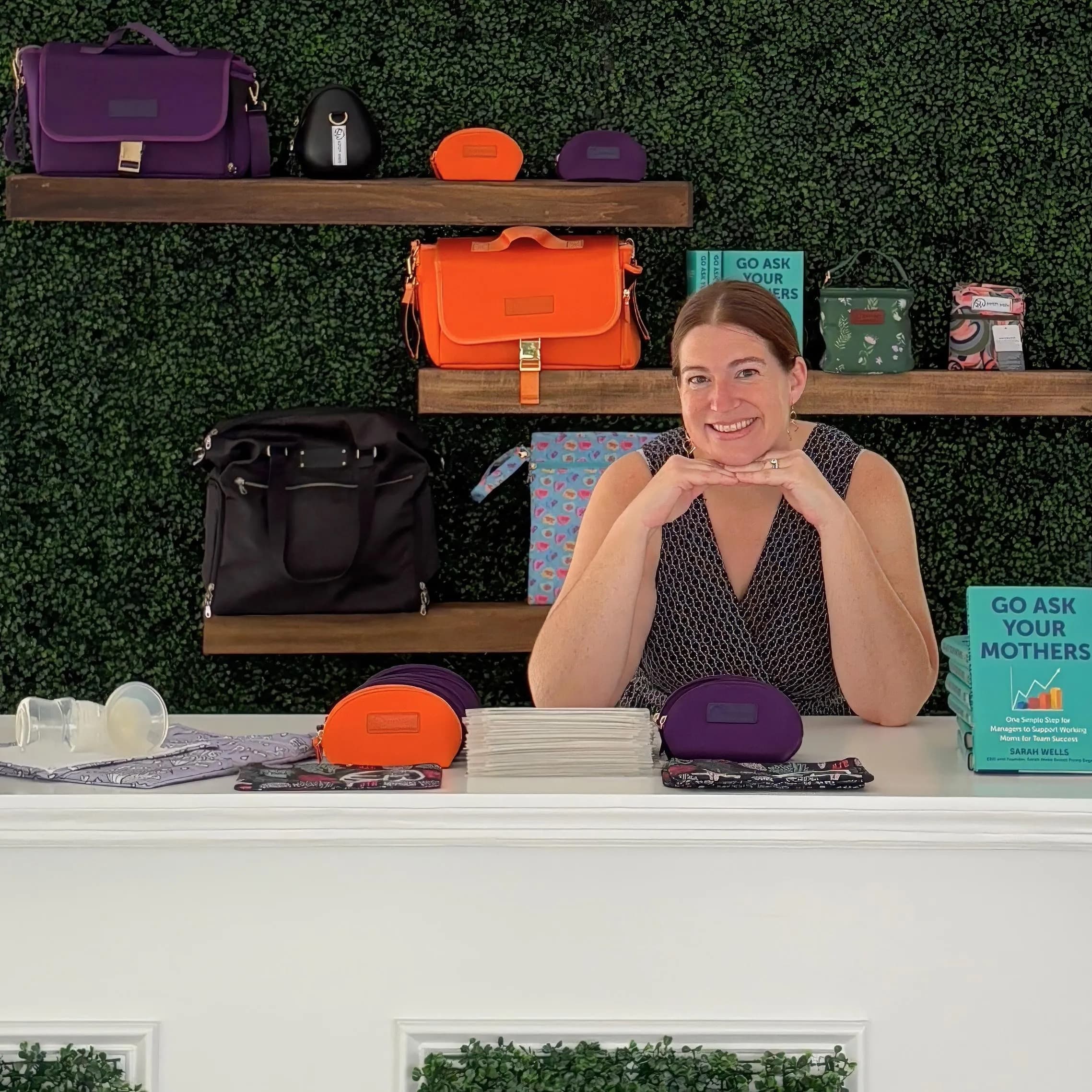
Sarah Wells, 45, was not expecting the money. Two deposits landed in the account of her company, Sarah Wells Bags, which sells pump bags, breast pumps, and gear for nursing mothers, and together they came to 15,741 dollars. There was no letter and no phone call, just a first payment of about 10,000 dollars in May and the balance weeks later. The deposits were refunds of tariffs she had paid on imported inventory, and her scramble to claim them is a preview of what thousands of small importers are now trying to do.
The reason the money is owed traces back to the courts. After the Supreme Court struck down a set of emergency tariffs as unlawful in early 2026, Customs and Border Protection was ordered to return roughly 166 billion dollars it had collected. Wells had felt those duties acutely. Charges on her China made goods climbed well above 40 percent once new levies stacked on top of existing ones, and a shift toward production in Cambodia carried a similar burden. During the summer of 2025 she lost around 500,000 dollars in sales as her supply chain seized up, cut her staff from seven people to five, and seriously considered shutting the business down.
Getting the refund meant working through a government system that tested her patience. The claims run through a Customs portal tied to a trade account, which Wells described as clunky and glitchy and thick with acronyms, and which locks users out after just a few idle days. Refunds arrive electronically rather than by check, and the agency typically takes 60 to 90 days to process them. To file, she had to assemble the entry numbers for each shipment and submit them exactly as the system demanded, with little visibility into when the money would actually appear.