Germany's cabinet approved the draft federal budget for 2027 on 6 July, a plan that sharply raises defense spending while trimming money for development aid. Core defense outlay jumps to 109 billion euros from 82.2 billion this year, and total security related spending reaches 130.1 billion euros, a figure that includes 11.6 billion euros in direct support for Ukraine. For a country that spent decades keeping its military lean, the scale of the increase marks a decisive break with the past.
The money has to come from somewhere. Total spending in 2027 will reach 555.4 billion euros, roughly 12 billion more than officials sketched out in April, and new borrowing climbs to 118.7 billion euros, nearly 8 billion higher than the earlier draft. To help close the gap, the government is cutting the development aid budget by about 6 percent and shifting billions of euros out of a special climate fund and into the regular budget, a move that has angered environmental groups who see it as raiding money set aside for the green transition.
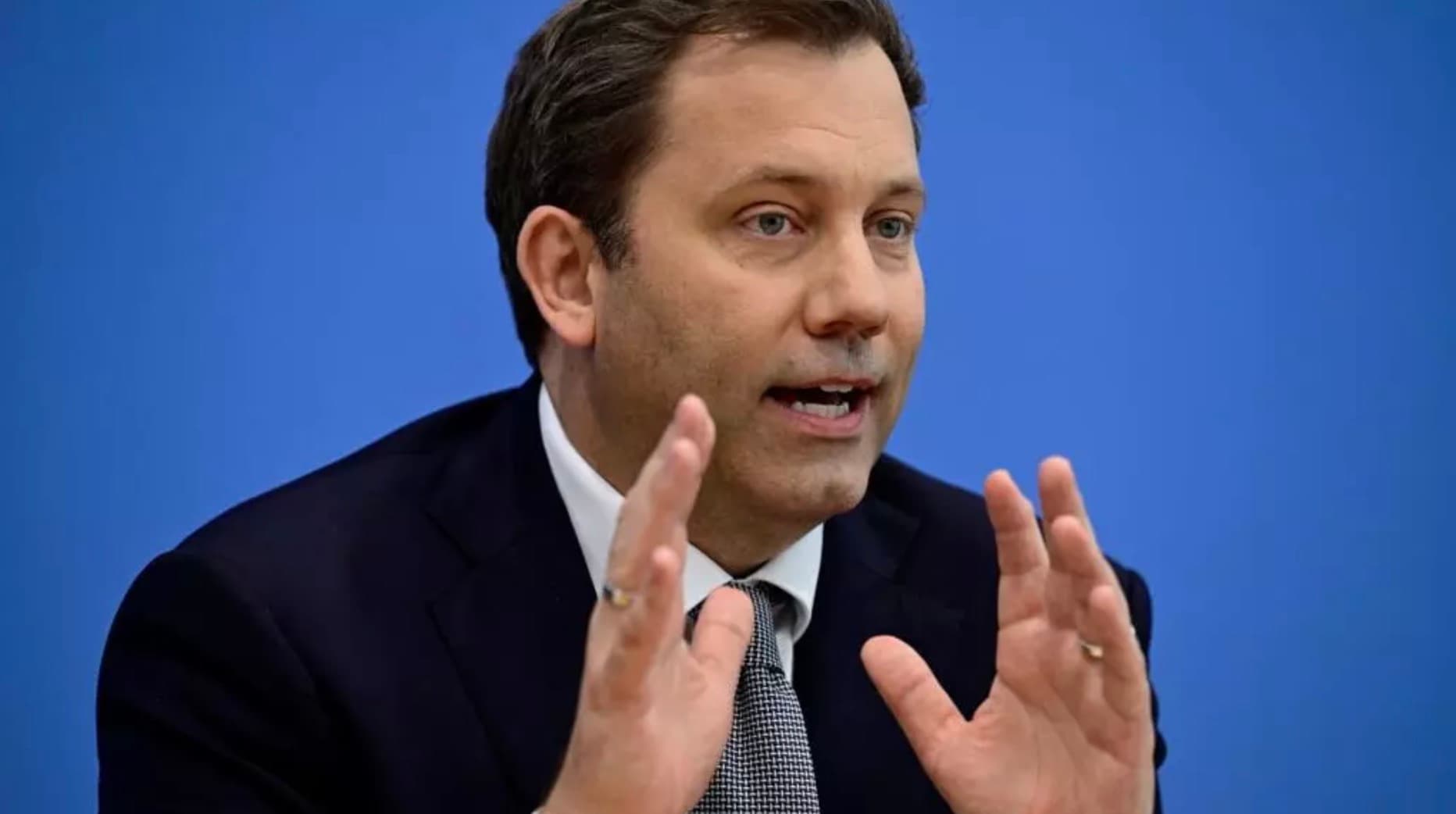
Finance Minister Lars Klingbeil defended the trade offs in blunt terms. Germany, he argued, cannot be protected from Vladimir Putin with a balanced budget, and the country must make up in a few short years for three decades in which it barely invested in its own defense. He rejected the accusation that Berlin was looting the climate fund, insisting the reallocation was moderate and manageable and would have no impact on the country's climate targets. The underlying message was that security now comes first, and that the fiscal caution Germany long prided itself on has become a luxury it feels it can no longer afford.
The plan still has to clear parliament, where debates begin in September and a final vote is expected before the end of the year. The politics will be delicate. Lawmakers uneasy about rising debt, aid organizations bracing for cuts, and environmentalists worried about the climate fund are all likely to push back. Even so, the direction looks set. Under pressure from an assertive Russia and a less dependable American ally, Germany is rebuilding its armed forces and reshaping its budget around the belief that the threat is both real and lasting.