Lovable has become one of the loudest arguments that writing software no longer requires writing code. The Stockholm company lets people describe what they want in plain English and hands back a working application, a practice the industry has taken to calling vibe coding. The scale is the part that stops people short. The sites its users have built now draw about 600 million visits a month, the platform hosts more than 50 million products, and roughly 200,000 new ones are created on it every single day.
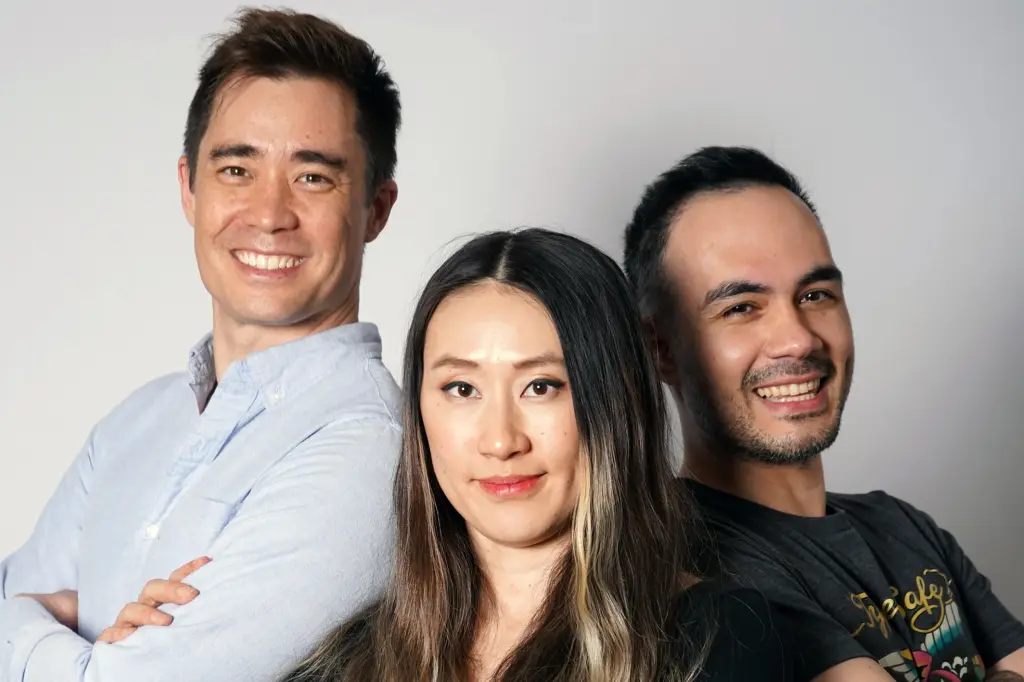
The company is barely two years old. Anton Osika and Fabian Hedin founded it in 2023, building on Osika's earlier open source project GPT Engineer, which briefly became one of the fastest growing repositories on GitHub. That head start turned into one of the quickest climbs the software business has seen. Lovable crossed 400 million dollars in annual recurring revenue early in 2026 and has kept rising toward the 500 million dollar mark. A 330 million dollar round in late 2025 valued it at 6.6 billion dollars, and by mid 2026 it was reportedly in talks to raise again at close to 12 billion. The raise that closed in December made both founders billionaires, each holding a stake worth around 1.6 billion dollars.
When users out build the company itself
The most telling sign of the shift is what people do with the tool once they have it. Hedin has said that users are building things that in combination outdo Lovable itself, a remark that captures how much of the value now sits with the crowd rather than the company. The old bottleneck was the ability to code. The new one, in this world, is figuring out which problems are actually worth solving, because almost anyone can now turn an idea into a live product in an afternoon.
That opening of the gates is what the founders describe as the vast majority of the opportunity, the enormous group of non technical people who never could have shipped an app before. Getting them to that first working version is the easy stretch. The hard part is the same one that has always haunted software, the stubborn final slice of a project where edge cases and polish live. Hedin frames it with an old engineering truism, that the last 10 percent of the code takes 90 percent of the time.