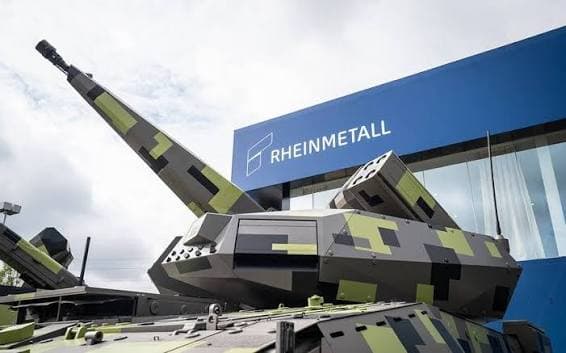
Germany is buying a laser weapon, and it is handing the contract to Rheinmetall without a competitive tender. Lawmakers on parliament's budget committee approved spending up to 462 million euros, close to half a billion, on a high energy laser system designed to be mounted on frigate sized warships. The award, made without an open contest, went to the country's largest arms manufacturer as part of a much larger wave of military spending.
The weapon itself is built for a modern threat. It is meant to knock down small, fast, and cheap targets, above all drones, at short and medium range around harbors and coastlines, where swarms of unmanned aircraft have become one of the hardest problems navies face. Rather than firing an expensive missile at a cheap drone, a laser can burn it out of the sky for a tiny fraction of the cost, which is a large part of the appeal for a military trying to defend against attacks that are easy and inexpensive to launch.
Behind the contract is an industrial push. Rheinmetall and MBDA Deutschland agreed early this year to form a joint venture aimed at moving naval laser weapons into serial production, building on a high energy demonstrator that the German Navy has already tested at sea, with suppliers including NKT Photonics and Trumpf. The first operational system is not expected until 2029, a reminder that even a program treated as urgent takes years to deliver a weapon that works reliably in the salt and motion of open water.
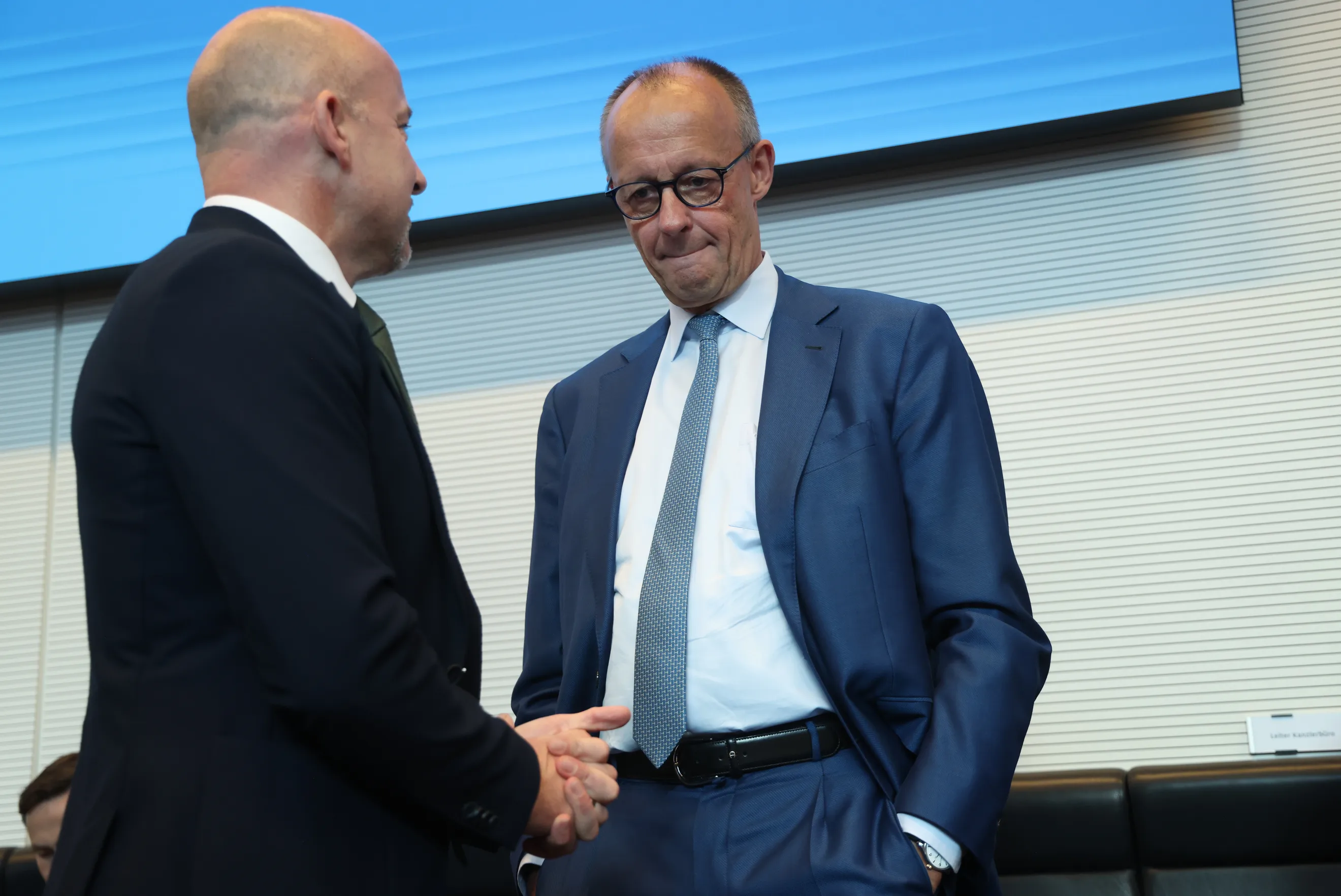
The deal sits inside a spending surge. It was one of more than a dozen procurement packages, worth over 12 billion euros in total, that German lawmakers waved through in a single sitting, a pace that would have been unimaginable only a few years ago. Awarding a half billion euro contract without competition is likely to draw scrutiny over cost and fairness, yet it also shows how quickly Berlin now moves. With drones reshaping warfare and the pressure to rearm mounting, Germany is choosing speed and a trusted national champion over the slower discipline of an open bid.