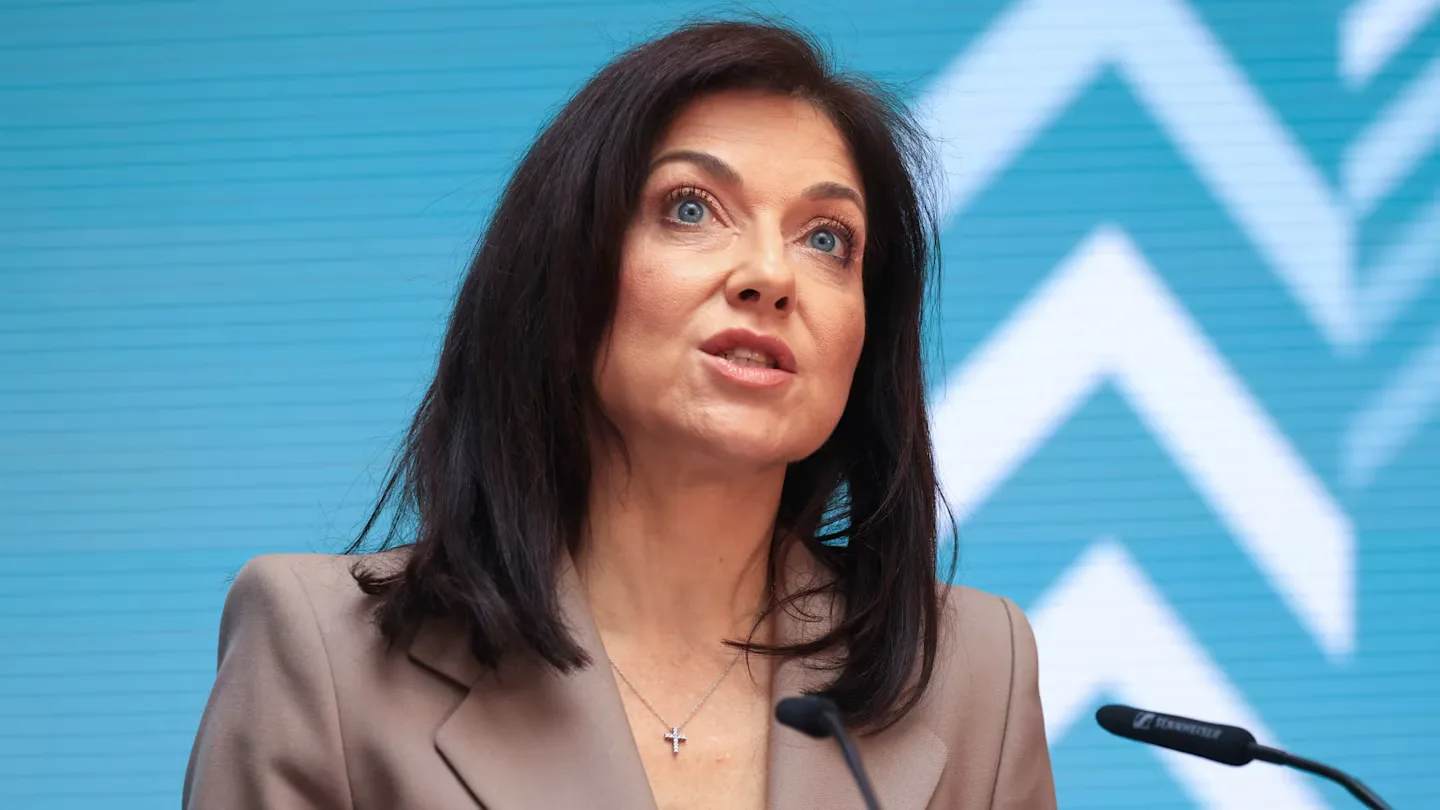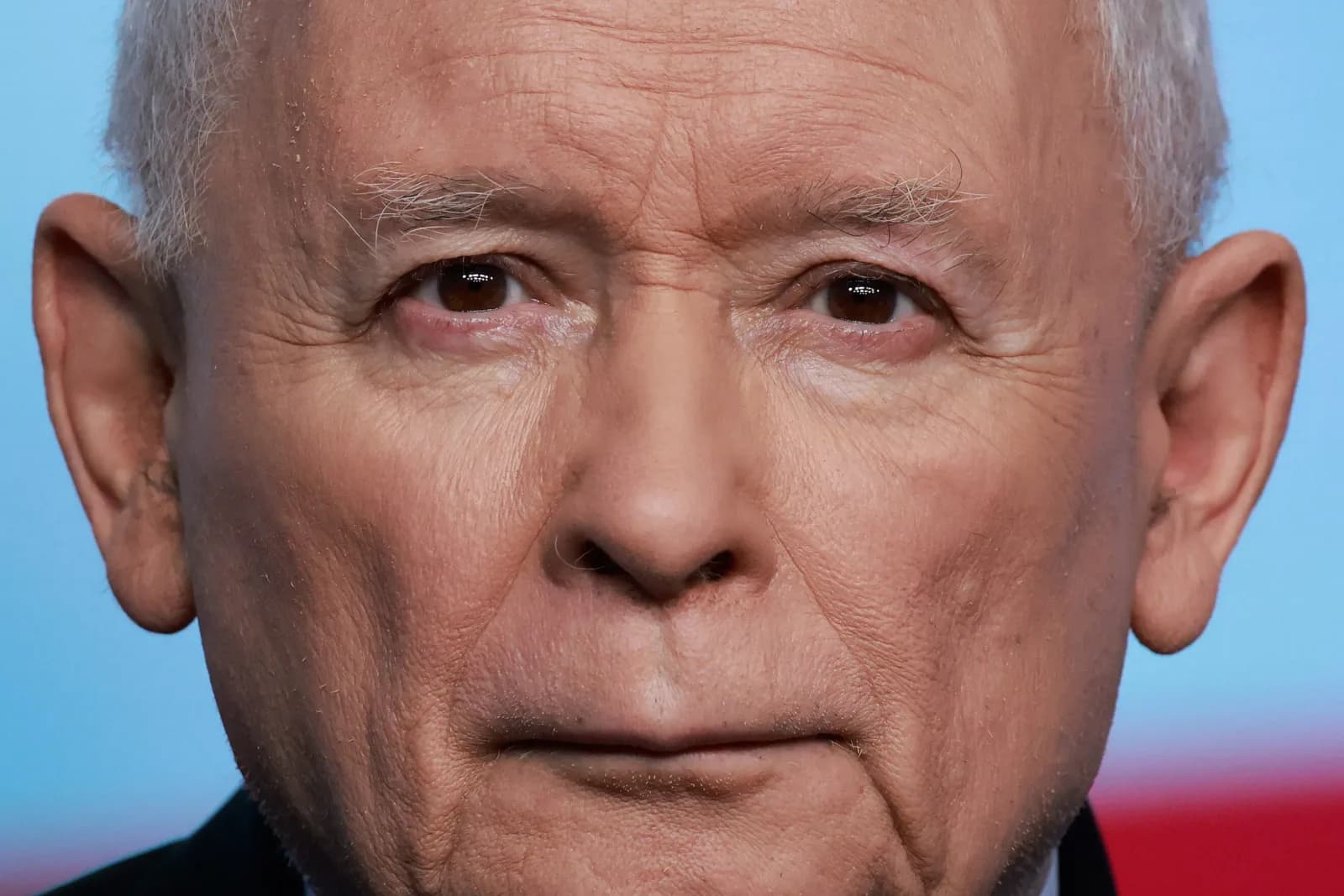
Poland's largest opposition party has fractured, handing the governing camp an unexpected opening less than two years before a national vote. On July 24, Jaroslaw Kaczynski, the long serving leader of Law and Justice, confirmed that more than 30 members of parliament had walked out of the party, the deepest rupture it has suffered since it was founded in 2001.
The break was months in the making, and it pits Kaczynski against Mateusz Morawiecki, the former prime minister who had been one of the party's most recognizable faces in government. What began as a quiet argument over strategy has hardened into a clean divorce, and it leaves the Polish right split into competing camps at exactly the moment it hoped to present a united front.
A fight over which direction to face
At the center of the quarrel is a simple question that the party could not answer together. After losing power in the 2023 election, Kaczynski pushed Law and Justice toward a harder conservative line, betting that a clearly defined base would carry it back to office. Morawiecki argued the opposite, that the party needed to reach moderate center right and business minded voters if it ever wanted to govern again rather than shout from the sidelines.
The dispute turned personal when Kaczynski demanded that a faction linked to Morawiecki, known as Rozwoj Plus, be dissolved and that its members sign loyalty declarations. Morawiecki refused, describing the pledge as a loyalty declaration carrying negative historical connotations, and offered a compromise that included stepping down as a party vice president. It was not enough. Kaczynski summed up the outcome bluntly, saying it is all over.
The math that makes it dangerous
The timing is punishing because the numbers were already tight. Recent surveys put Law and Justice somewhere between 19 percent and just under 30 percent, a range that leaves it well short of the support needed to govern on its own. Splitting a bloc that size, rather than growing it, is the last thing a party in opposition wants heading into a campaign, and it risks scattering conservative votes across rival lists.
A breakaway force led by Morawiecki could reshape the field. If he builds a separate party aimed at pragmatic conservatives and the business community, he would compete directly with his former colleagues for the same pool of voters, while the nationalist Confederation continues to pull at the right flank. The effect could be a crowded contest in which no single conservative party is strong enough to challenge the government alone.
What it means for Tusk and the presidency
The clearest beneficiary is Prime Minister Donald Tusk, whose pro European coalition has spent this term trying to consolidate power against a divided opposition. A right wing camp at war with itself makes his path to the 2027 election considerably smoother, even as his own bloc faces the usual pressures of incumbency.
Complicating the picture is the presidency. Karol Nawrocki, elected with Law and Justice backing, remains a powerful conservative figure and has renewed his call for a referendum on European Union climate policy, while a rising contender for the party's prime ministerial hopes, Przemyslaw Czarnek, has come out against the bloc's Emissions Trading System. Those fights give the right a shared set of grievances to rally around, but grievances are not the same as unity, and for now the Polish conservative movement heads toward 2027 more divided than it has been in a generation.