Berlin has spent more than a year treating UniCredit's advance on Commerzbank as an unwelcome intrusion. That posture is now softening. The German government, which still holds close to 12 percent of the Frankfurt lender, is drawing up the conditions under which it could live with a takeover rather than keep fighting one it may no longer be able to stop.
The change of tone follows a formal offer from the Italian bank that closed earlier this month. A sizeable share of Commerzbank investors tendered their stock, and once regulators sign off UniCredit is set to hold a position just short of half the company. At that level, an outright rejection from Berlin starts to look less like a veto and more like a delaying tactic, and officials appear to have concluded that shaping the deal is a stronger hand than refusing to discuss it.
From blockade to bargaining table
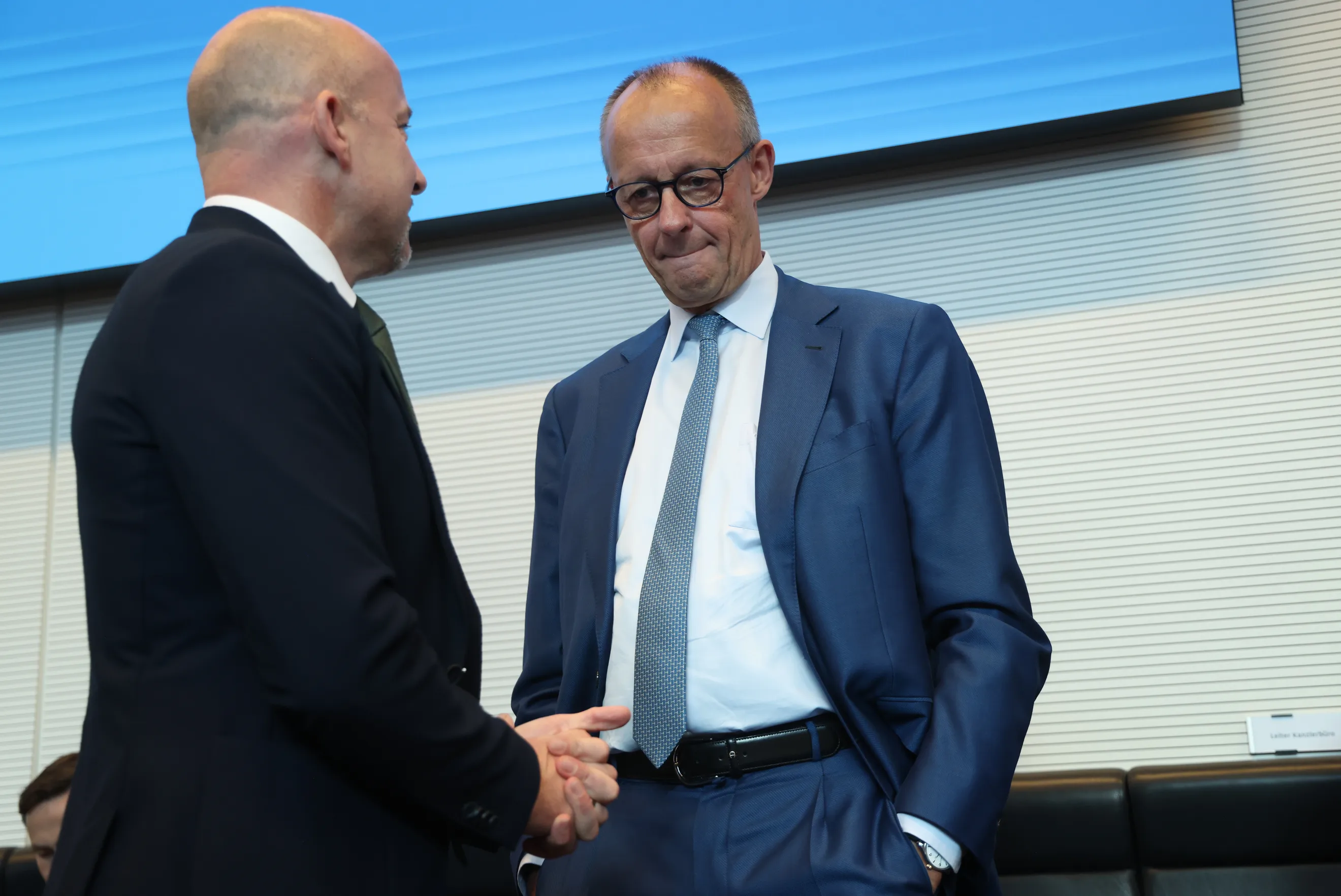
Chancellor Friedrich Merz has framed his objection carefully. He has not argued that a foreign owner should be barred on principle. His complaint has centered on the way UniCredit built its stake, moving in stages and pressing forward without the blessing of either the bank's board or the government. The distinction matters, because it leaves room for a negotiated outcome once the method is set aside and the terms come into focus.
No talks have been scheduled yet, though both sides expect them to happen. What Berlin wants to walk in with is a list of protections rather than a simple yes or no. The government is weighing whether to hold on to its stake or sell it, and a higher valuation than the one UniCredit has floated so far would make parting with the shares easier to justify to the public.
What Germany intends to protect
At the top of the list sits Commerzbank's role as a lender to the Mittelstand, the dense network of small and midsized firms that anchors German industry. Many of those companies lean on the bank for trade finance and for the overseas connections that let them sell abroad. Officials want assurances that this function survives intact, whatever the ownership structure ends up looking like.